
As we celebrate the 250th Anniversary of the United States on July 4, there is a disturbing negative trend in patriotic pride. In the early 2000s, the number sat near 90%.
A Gallup poll from June 2025 found that only 58% of U.S. adults say they are “extremely” or “very” proud to be American—a record low. The age discrepancy stands out sharply. From 2021 to 2025, less than half (41%) of Gen Z adults (born 1997–2012) expressed high pride, compared with 58% of Millennials, 71% of Generation X, 75% of Baby Boomers, and 83% of the Silent Generation. Each newer generation shows noticeably lower attachment than the one before it.

The American flag has become controversial for some
Why is this a problem? A healthy love of country correlates with greater personal happiness and life satisfaction. This isn’t blind nationalism but a balanced attachment that mirrors how we love our imperfect families. My book The Rule of 70: A Single Rule for a Rewarding Life suggests we make the most of our limited health spans, emphasizing that the most important factor in long-term well-being is good relationships with family and friends. Research suggests that love of country further enhances enduring happiness.
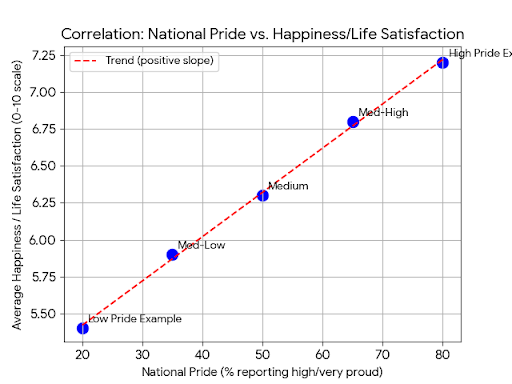
The correlation is clear. Love of Country on average equates to higher levels of well being
A first-principles approach suggests that humans thrive with a sense of belonging and a positive group identity. Social psychology and social identity theory show that incorporating a larger group’s values into one’s self-concept enhances well-being. A nation, like a family, offers that anchor—a shared story, culture, institutions, and future.
Multiple large-scale studies confirm this link: A 2011 Psychological Science study analyzed data from the European Values Study across 31 countries with over 40,000 respondents. Greater national pride significantly predicted greater subjective well-being and life satisfaction. The benefits were strongest for civic pride—pride in institutions, laws, democracy, and inclusive belonging—rather than purely ethnic pride based on ancestry.
In South Korea, a 2015 nationally representative survey found national pride positively associated with happiness. High national pride was linked to roughly a 10-percentage-point increase in the likelihood of reporting being “very happy.”
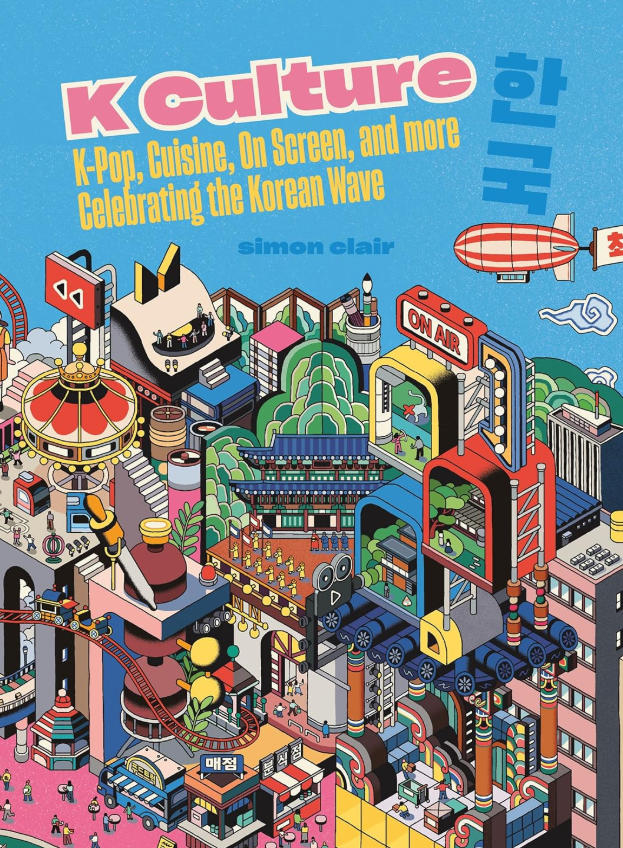
Simon Clair’s book explains the Korean culture and shared national image of South Koreans.
In 2025, a Scientific Reports study (Life satisfaction effects of national identity, global identity, and their interactions; Glenn Spiteri, et al), used large mixed models across countries and showed that national pride and national citizenship robustly predict higher life satisfaction.
Individuals scoring high on both national pride and global/world citizenship often reported the highest satisfaction overall, suggesting positive attachments are additive rather than zero-sum.
These patterns hold in other analyses, including Gallup World Poll data. Low national pride tends to align with lower well-being, reduced social trust, and lower satisfaction with democracy.
While there is no proof of causation, no credible studies show that chronic derision, embarrassment, or active dislike of one’s country leads to higher happiness. The evidence points the other way.
We aren't any worse at 250 than we were at 200 or 150.
Some of the negativity surrounding national pride in America may come from shifts in education. In recent decades, K-12 curricula have moved away from traditional narratives that prioritized celebrating the USA’s successes. In recent generations, schools have increasingly examined America’s systemic flaws and historic injustices. These attitudes are reinforced by college professors, whose demographics strongly suggest they fall well below average in national pride.
History reminds us that serious social problems and vocal criticism have always existed. In 1976, during the Bicentennial, the nation faced the Vietnam War aftermath, the Watergate scandal, high inflation, economic strain, urban crime, and deep social divisions. Many younger Americans (now some of our oldest) were counterculture voices who expressed strong derision or shame toward the country.
Sam Levenson’s syndicated column of July 4, 1976, stated:
“Happy Birthday America...Maybe it's the wetness of my eyes, but the 200 candles in your cake don't seem to be shining as brightly as they should. Regretfully, my dear America, I’m sad on your happy birthday. You're our home, and we are your family. I hate to spoil your party, but as one of your sons, I feel I must speak up. Let's face it, our country is beginning to look more and more like a broken home. We are in the midst of a loud family quarrel and the neighbors are listening and watching too.”
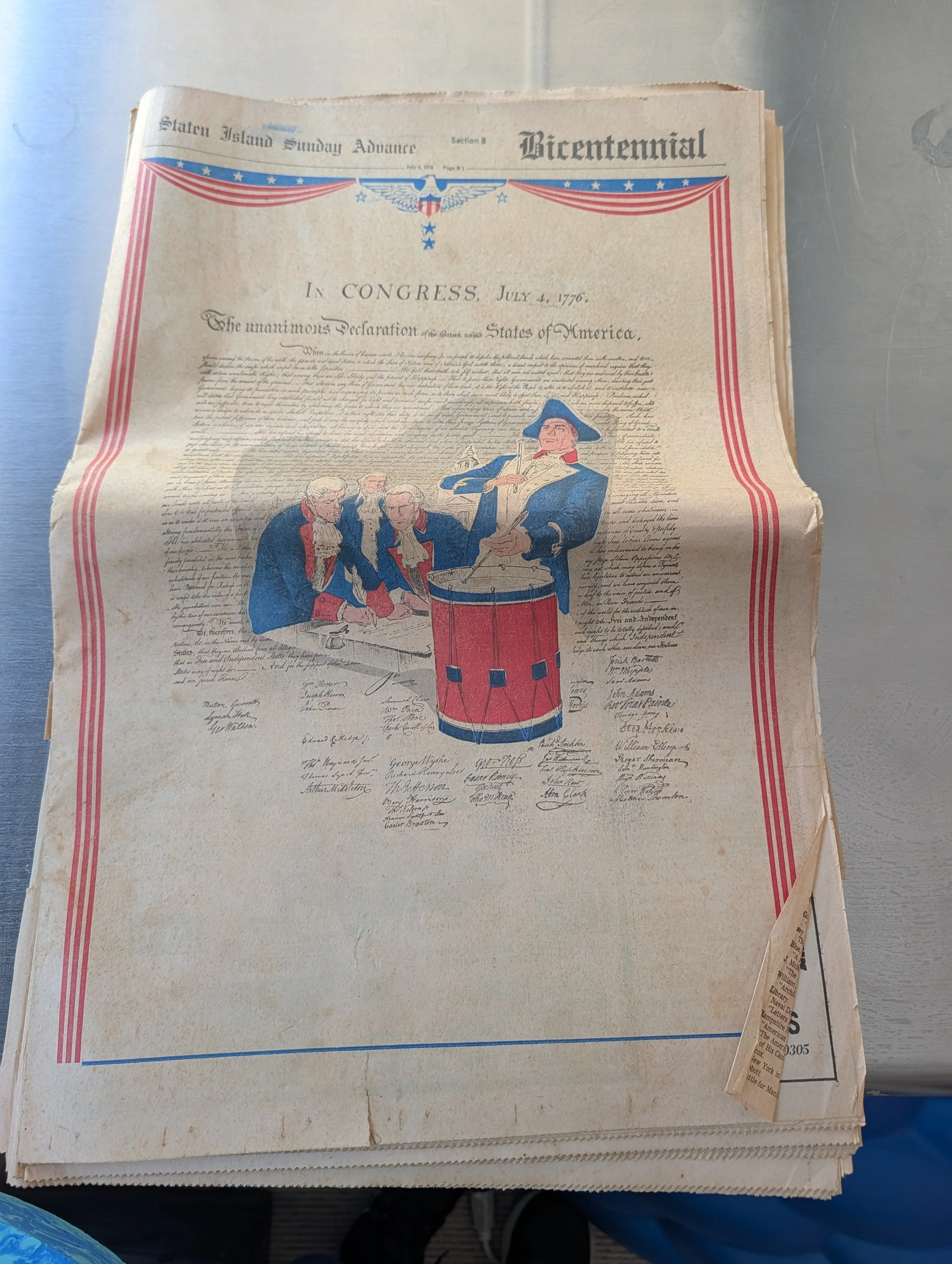
50 years later, we are celebrating again. But not all were celebrating in ‘76
In 1926, before we were all born, Americans dealt with the economic inequality of mass immigration against the Jazz Age boom, labor unrest, racial tensions, and prohibition in the aftermath of the First World War. Once again, younger or activist groups highlighted flaws and voiced embarrassment or criticism.
F. Scott Fitzgerald and Ernest Hemingway represented the “Lost Generation” in 1926. Young idealism was killed by World War I, and empty, soulless wealth and poverty left the country with pessimism for the future.
"But the plain, unpalatable fact is that in America today, that margin of freedom has been reduced to the vanishing point. Rebellious youth is not wanted here. In our environment, there is nothing to challenge our young men... no chance to shape events more generously than is permitted under the rules of highly organised looting." — Harold Stearns.
In all eras, significant portions of the population—particularly those attuned to injustices and change—derided aspects of America. But on balance, the happier people loved and supported their nation.
Countries Are Like Families
We love families despite their flaws. We celebrate babies unconditionally. We forgive members and accept imperfections because the bond itself provides security, meaning, and resilience. Research on national pride supports a parallel approach. Civic pride—appreciating ideals, institutions, and shared projects while acknowledging shortcomings—drives the strongest well-being gains. This mirrors constructive family love: supportive attachment that allows for criticism and improvement without rejection. Extreme or blind attachment shows weaker or negative outcomes for personal well-being and social trust. Healthy patriotism, like healthy family bonds, involves acceptance and a desire to see the group improve.

“As American as apple pie”. We have a shared history.
The Rule of 70 urges forgiveness and acceptance. Holding perpetual resentment—toward family members or toward one’s country—drains energy while you should be enjoying your good years. Studies on well-being show that positive group attachment fosters belonging, purpose, and resilience. National pride often motivates pro-social behaviors, giving daily efforts broader meaning.
Reevaluating Disdain or Shame in Light of the Data
The current downward trend in U.S. national pride, especially the pronounced age gap where younger generations express significantly less attachment, invites reflection. For those—often younger and more attuned to contemporary critiques—experiencing disdain, embarrassment, or shame toward their country, the research suggests reevaluating that stance.
Balanced, civic-oriented attachment—acknowledging flaws while valuing ideals and achievements—consistently correlates with better personal outcomes than sustained negativity. Chronic derision does not appear to enhance well-being; instead, a constructive sense of belonging does.
This does not mean ignoring problems or suppressing criticism. It means applying the same lens used with family: love the whole while working to improve the imperfect parts. 1976 and 1926 had deep divisions, real crises, and vocal critics, yet many ultimately chose constructive engagement over permanent detachment.
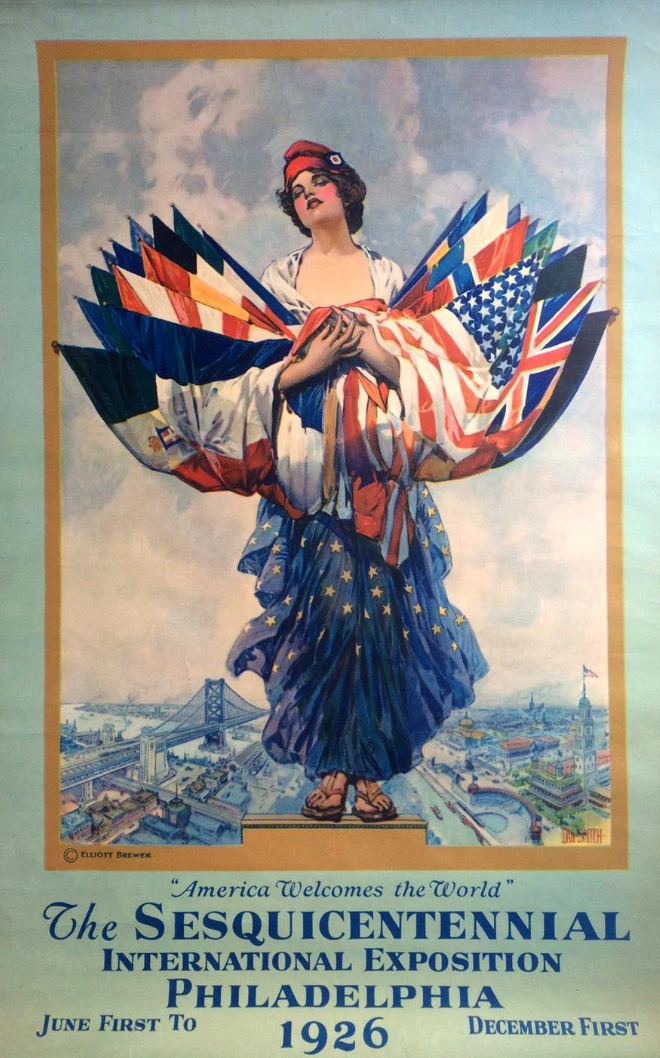
Poster for the 1926 150 party
As America nears its 250th anniversary, such reevaluation offers an opportunity for renewed civic attachment rather than disconnection. The Rule of 70 suggests investing in what compounds over decades. A constructive love of country is one such investment. It provides
a rooted sense of belonging, satisfying the human need for connection to shared purpose
aligning personal actions with collective goals
psychological resilience — a stable anchor amid uncertainty
focus on the essentials. For relationships (including the national one), make time to nurture them through acceptance and forgiveness. Data shows this approach supports higher life satisfaction.
The Rule of 70 is not about ignoring problems. It is about facing reality with clarity: healthspan is limited, time matters, and certain attachments reliably support well-being. Loving your country, like loving family, works best when rooted in acceptance. Forgive flaws. Celebrate strengths. Participate constructively. The studies show this balanced stance correlates with better outcomes than detachment or chronic negativity.
Of all places in the world, the United States offers unique freedoms and benefits: robust constitutional protections for speech and expression (among the strongest globally), a vibrant rule-of-law tradition, economic opportunity, freedom of information, religious liberty, and a system that has enabled remarkable mobility and innovation despite its flaws. For those looking for positives, these stand out compared to many nations, even as challenges persist.
Reflect on one positive aspect of your country’s ideals or contributions this week. Acknowledge a shortcoming without letting it define the whole. This mirrors family dynamics and aligns with the data on civic pride. Over decades, these habits compound. By 70, the evidence suggests you will have reaped rewards in happiness, resilience, and life satisfaction.
As we approach America 250, this principle offers a steady compass:
Love your country as you love family—imperfectly but fully.
References (for further reading):
Gallup (2025). American Pride Slips to New Low.
Reeskens, T., & Wright, M. (2011). Psychological Science.
Ha, S. E., & Jang, S. (2015). Social Indicators Research.
Spiteri, G. et al. (2025). Scientific Reports.