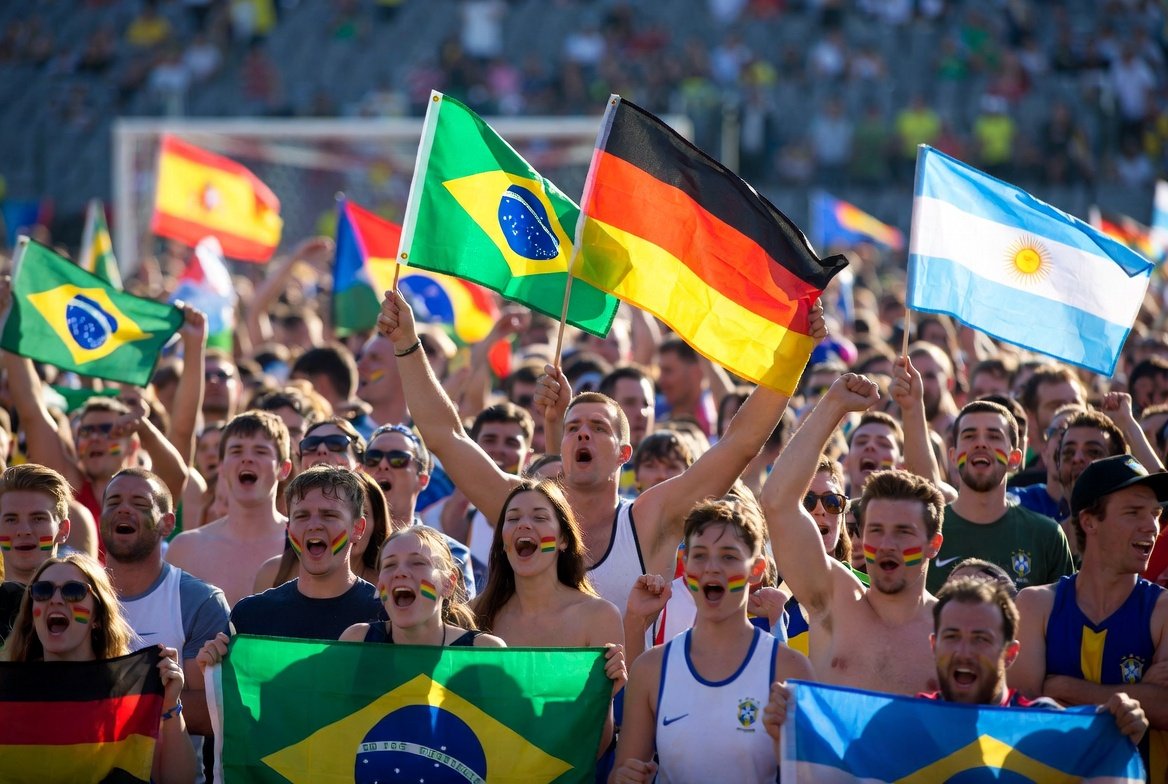
Why Loving Your Country Improves Your Well-Being: What the World Cup Can Teach Us
Data suggests that a deep, affectionate connection to one's nation fosters personal flourishing—through shared identity, purpose, and a compassionate commitment to the collective good. A 2012 study by Wright and Reeskens in Psychological Science found that greater national pride correlates with higher personal well-being, particularly when rooted in civic values.
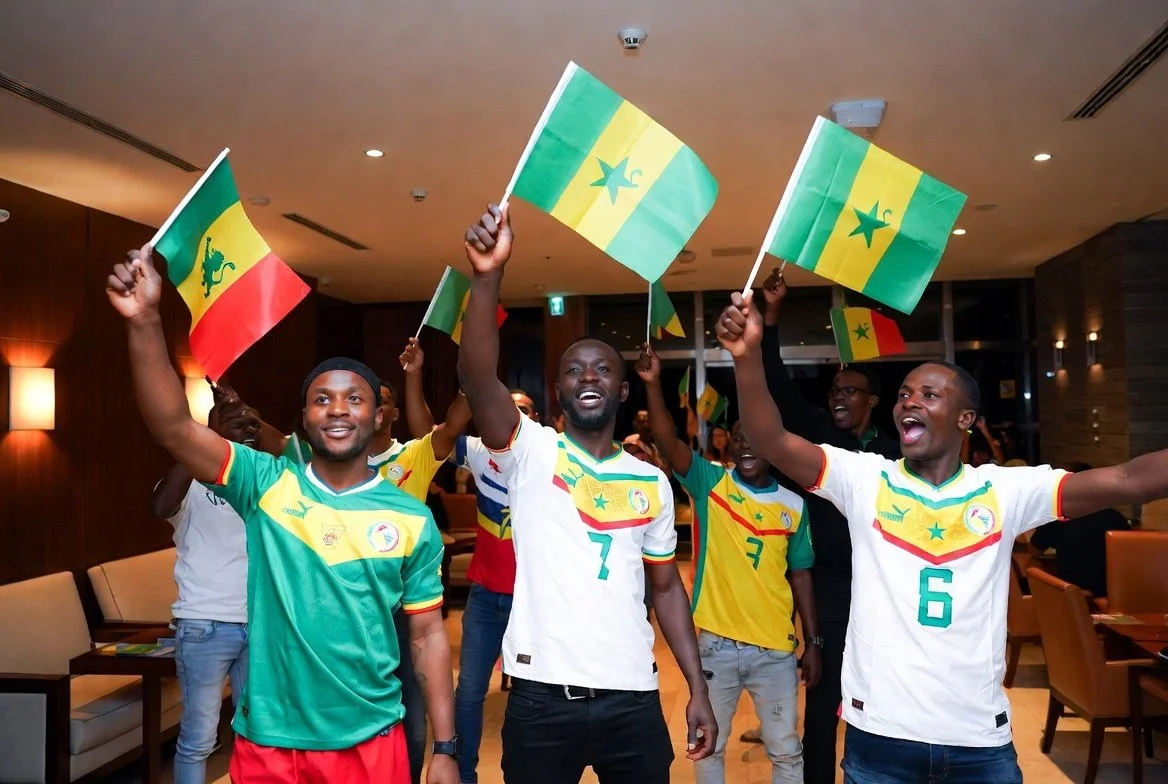
I went to a hotel where Team Senegal and a number of their fans were staying during the World Cup. The green and gold lion was everywhere. Giant player cards graced the lobby. As fans mingled with the players who had just lost to a superior French team, I thought about the financial commitment these supporters had made. They had traveled thousands of miles from a relatively poor country, knowing they had very little chance of prevailing.
A week later, I saw a member of the Tartan Army—a Scot in full kilt—moving through a Florida airport. He was heading home, his team eliminated from contention, but Scotland had won their first World Cup match in 36 years, and he was ecstatic.

Most countries have little realistic chance of winning the tournament. Their fans know this going in. Yet millions still show up with flags, jerseys, songs, and full-throated support. Research on sports fandom, especially during international events like the World Cup, shows clear benefits that don’t depend on victory.
National identification during the tournament helps meet core psychological needs—belonging, meaning, and social connection. Fans report higher self-esteem, lower loneliness, and greater life satisfaction, even when their side falls short. The Archbridge Institute’s Human Flourishing Lab (2024) found that national pride is the strongest predictor of hope for a country’s future, while psychologist Daniel Wann’s extensive research on sports fandom shows similar patterns: stronger team and national identification consistently link to better mental health outcomes.
Victory and loss bring temporary ups and downs. The long game is the lifetime connection to the team and country.
The shared rituals create “collective effervescence”—a powerful sense of unity and emotional synchrony—which boosts mood, reduces isolation, and strengthens community bonds. These effects appear even for casual participants.
A 2023 UK study of over 7,000 people found that attending live or group sporting events enhances well-being metrics such as life satisfaction and a sense that life is worthwhile—sometimes rivaling major life factors like employment. The benefits stem from participation and identity, not final standings.
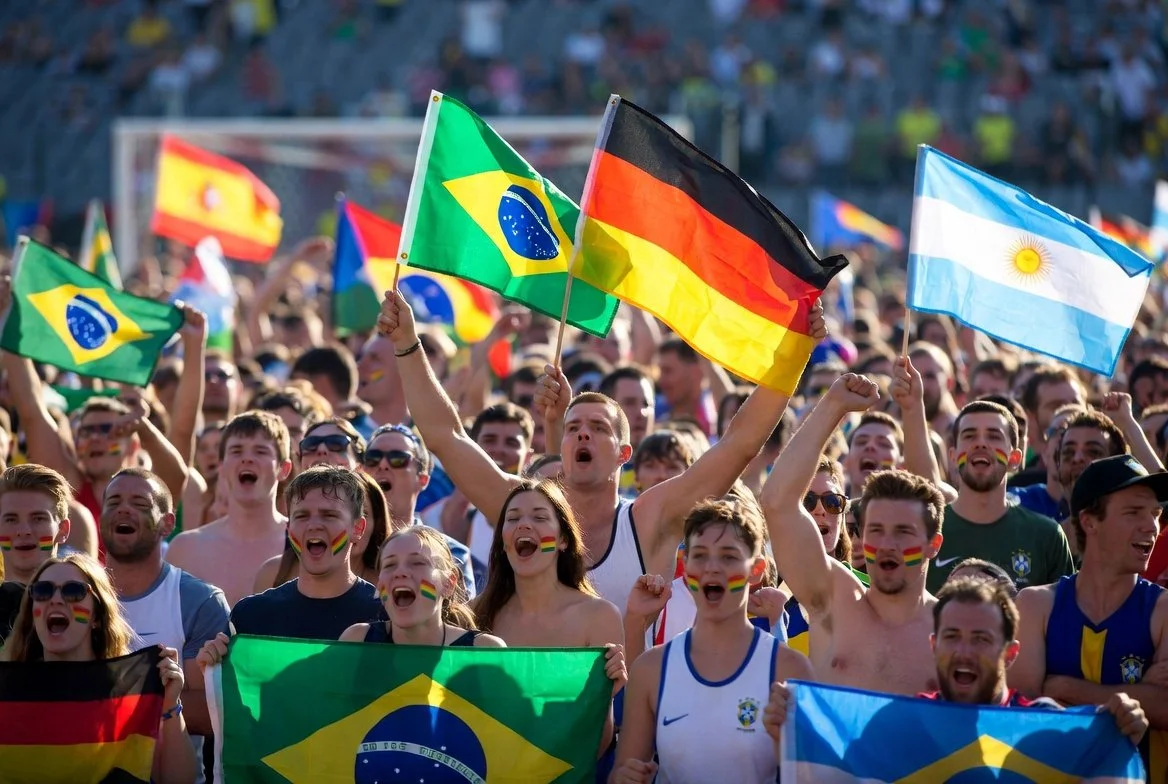
Some nations merely celebrate qualification, a hard-fought draw, or simply representing their culture on the world stage. Their pride isn’t delusional optimism about lifting the trophy—it’s rooted in attachment, heritage, and the joy of being part of something larger. That attachment delivers measurable psychological returns.
Over 200 nations attempted to qualify for the World Cup. Only 48 were chosen. Clearly, there is a world of variety in freedom, safety, health, rights, and wealth among these nations.
FIFA fans don’t have to endorse every policy or ignore national flaws to feel national pride. Healthy national pride resembles the loyal-but-clear-eyed fandom of a lifelong supporter who sticks with the team through rebuilds. It allows room for criticism and improvement while providing the emotional scaffolding of belonging. Psychologists note that this form of attachment correlates with better mental health outcomes across contexts, independent of partisan leanings.
In a fragmented society where loneliness is epidemic and trust in institutions is low, dismissing national pride outright cedes a powerful, accessible source of well-being.
The World Cup reminds us that people across the political spectrum—and around the globe—naturally gravitate toward these moments of collective identity. Americans cheering their team (or even appreciating the spectacle) are engaging in the same human process that benefits fans everywhere.
Critiquing your country can coexist with loving it. The data suggest that the affection part—the pride, the fandom—is what sustains individuals and communities. Rather than letting embarrassment or political tribalism crowd it out, we might recognize national attachment as a feature of flourishing, not a bug of any one ideology.
The benefits of family are very similar. Ritual meals, traditions, laughing about flaws and awkward relatives, while cherishing the good times—these build the memories and sinew of resilience during difficult times. The landmark 90-year Harvard Grant Study concludes that close relationships are the single biggest predictor of long-term health and happiness.
The next time you see fans belting out an anthem or painting their faces in national colors, remember: they’re not just rooting for outcomes. They’re investing in their own sense of connection and purpose.
Live your best life. Find a way to root for your country.
Vincent Dicks is the author of The Rule of 70, A Single Rule for a Rewarding Life