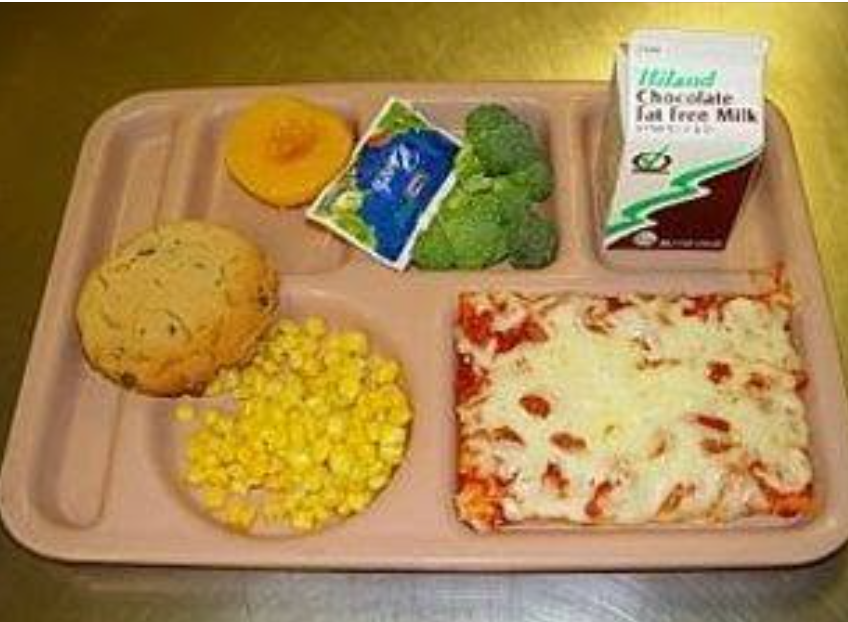
I came across a relic of an earlier time. The Coast Star Newspaper’s printing of the Sea Girt weekly school lunch menu, circa September 1980. At the time, most Sea Girt kids walked or rode their bikes home for lunch.
Monday - Hot dog on bun, celery sticks, fruit, cookie, milk
Tuesday - Ham and cheese with lettuce sandwich, carrot sticks, fruit, cookie, milk
Wednesday - Peanut butter and jelly sandwich, wedge of cheese, fruit, cookie, milk
Thursday - Hamburger on a bun, carrot sticks, fruit, cookie, milk
Friday -Tuna salad with lettuce sandwich, celery sticks, fruit, cookie, milk
Milk was a choice: chocolate or regular whole milk.
Much has changed. Peanut butter was banned by worried school boards in the 90s over allergy concerns. A cookie every day became wrong, and the white bread and buns lacked the 80% whole grains required today. The hot dogs, ham, and cheese all had more sodium than is currently allowed, and carrots and celery are not a broad enough variety of vegetables.
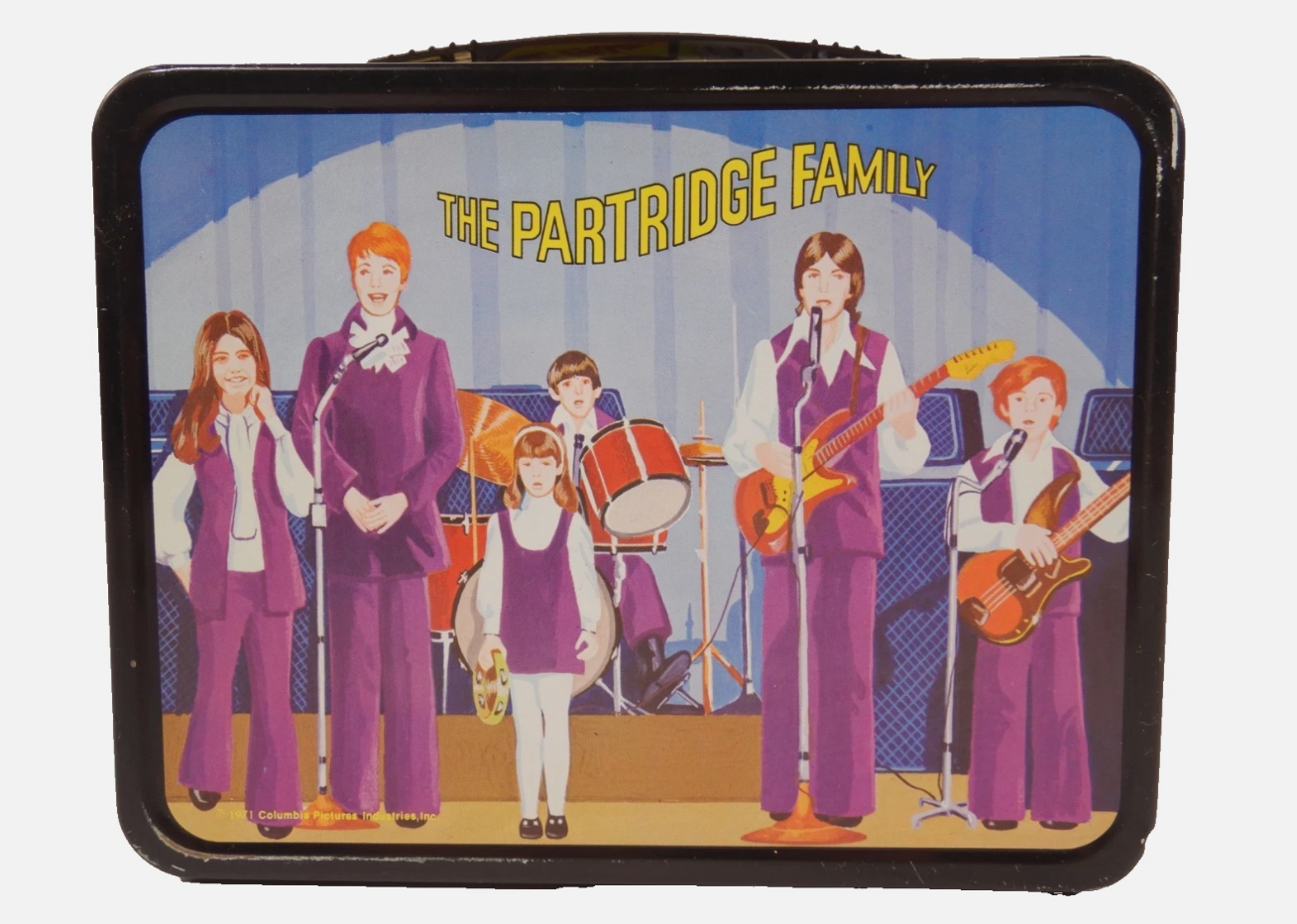
Lunchboxes were more popular than cafeteria lunch. But going home was even better.
It’s not just the food, but lunch itself has changed dramatically.
Sea Girt Elementary School opened in 1970 because, in the mid-1960s, a growing Manasquan was out of space, and Spring Lake could not handle the overflow. The borough had been teaching kindergarten at Borough Hall since 1937, and then sending their kids off on the bus. Part of the allure of having an elementary school for the 300 kids was the ability to walk or ride a bike to school.
At the Bell Place School, lunchtime was a full hour, and most children went home for a hot meal and play break before returning for the PM session. Campbell’s tomato soup and grilled cheese, followed by a game of kickball, hopscotch, or hand jive before going back to lessons.
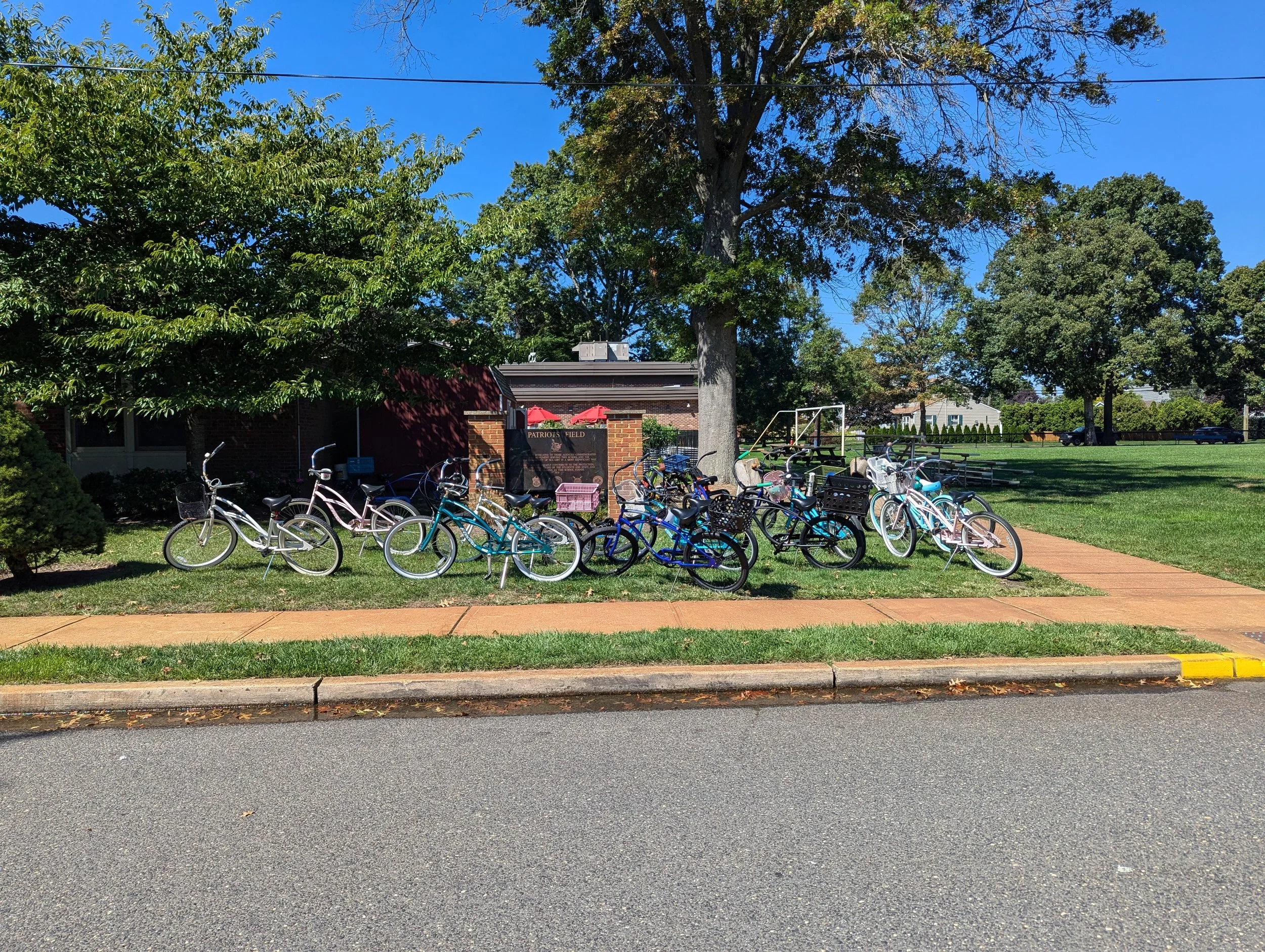
They still mostly ride or walk to and from school
During the early 1900s, childhood malnutrition was a major problem. The free lunch program offered to “needy” families, established by Harry Truman in 1947, was controlled at the local level. In 1973, the federal government expanded the program to provide free, reduced-priced lunch (capped at 20 cents) and required the availability of full-priced lunch. The catch was that the new program was federally controlled.
This was the beginning of the end for walking home for lunch.
New Jersey began requiring school lunch programs in districts with children under the poverty level after a 1974 court case. Sea Girt and other small schools fought the change until the 1977-1978 school year, when state law gave them no choice. They had to provide lunch in school.
This forced the school to purchase daily from Manasquan Elementary, 74 cents per day for a “Class A lunch.” The teachers fought the change because the state required teacher supervision for the lunch period. Sea Girt had originally hired lunch aides for two hours at $6 per hour.
The walk home was criticized. More moms went to work. Courts put safety liability for the lunchtime students on the Boards of Education. Insurance costs led to ‘closed lunches.’ Sea Girt kept its open lunch policy long after most schools were closed. Parents could give a standing permission slip at the office, and kids could still walk or bike home for lunch.
Meanwhile, the menus changed. After the expansion of the programs in the 1970s and inflation, the Reagan Administration reeled in the soaring costs. They were criticized for lowering nutrition standards, with a widely mocked proposal to classify ketchup as a vegetable. But the bigger trend was to outsource food and to allow for-profit chains to play a larger role. Pizza Fridays, Domino’s stuffed-crust pizza, Dole fruit cup and packaged Jello became staples by the late 1990s. Taco Tuesday was ‘Mexican Munch’; bags of corn chips, salsa, and cheese. Skim milk was served in bags. Chocolate went away for a time.
In January 2002, Sea Girt succumbed to the closed lunch trend. Lunchtime leaving needed to become a rare exception.
Superintendent John J. Gibbs III noted: “The Board feels we are living in a different time, a time that lends itself to make us more cautious about the whereabouts of the students.”
“…The School Attorney has made it clear that we are responsible for the students from the time school starts until the end of the school day”.
Some parents lamented that nothing had happened in 30 years, but the decision was made anyway.
Lunch is still served at the Sea Girt Elementary School. 25 years since kids ate lunch at home, schools have put lunch choice back into parents’ hands. Often, PTOs sponsor private-public partnerships. Sea Girt uses FoodDays, a digital ordering platform that matches local vendors with the schools. Parents and students customize a delivered meal just for them. This broadens the food selection, reduces concerns over allergies, and allows confidentiality to those on reduced or free lunch.
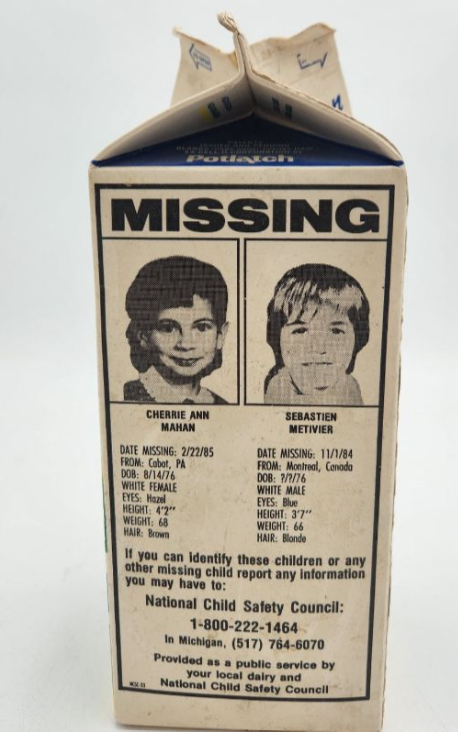
Stranger danger and missing kids frightened everyone. Most were taken by relatives, but the concerns took freedoms from kids and parents.
In nine states (CA, CO, MA, ME, MI, MN, VT, NM, NY), lunch and breakfast are universally free for all students regardless of income. In CT and PA, breakfast is free to any student. NJ offers free breakfast in high-poverty areas and raises the federal free lunch limit from 130% of the poverty level, to 224% of the poverty level.
In the past two decades, the standards were changed to fight obesity, provide less sugar, lower sodium, and provide better vegetable choices. But the 2026 menus ring familiar:
Pizza Days: Still the most popular, often supplied by a local pizzeria.
Hot Catered Meals: Chicken patty sandwiches, hamburgers, tacos, or meatballs.
Deli & Salads: Turkey or ham subs, and pre-packaged garden or Caesar salads.
Grab-and-Go Sides:
Fruits & Veggies: Sliced apples, baby carrots, side salads, or applesauce.
Snacks: Baked chips, pretzels, or a freshly baked cookie for dessert.
Drinks: Bottled water, 100% juice boxes, or milk (usually skim or 1%).
Entrées typically range from $3.50 to $5.00 depending on the district, with additional costs for add-ons.
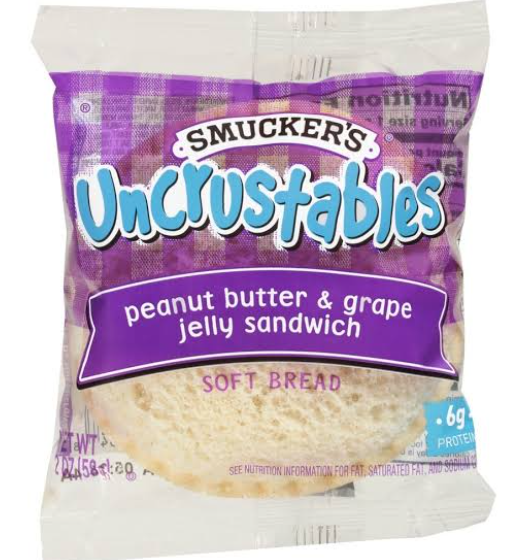
…even peanut butter is back. Uncrustables have climbed back to be one of the most popular pre-packaged choices for kids.