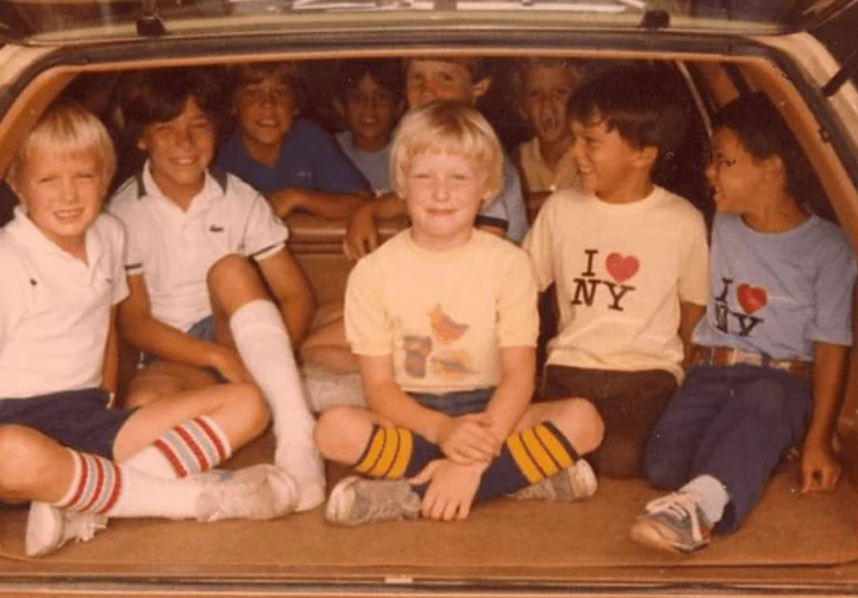
Why Buckle up? Because a Doctor in Sea Girt asked us.
When I was a child in the 1960s, seat belts were an option, and we did not have them in the car. Most babies sat on laps. About 22% of passengers wore lap belts.
Dr. Clifford B. Blasi was head of emergency surgery at Jersey City Medical Center in 1965. He specialized in trauma, blunt force, and penetrating injuries caused mostly by falls and traffic accidents.
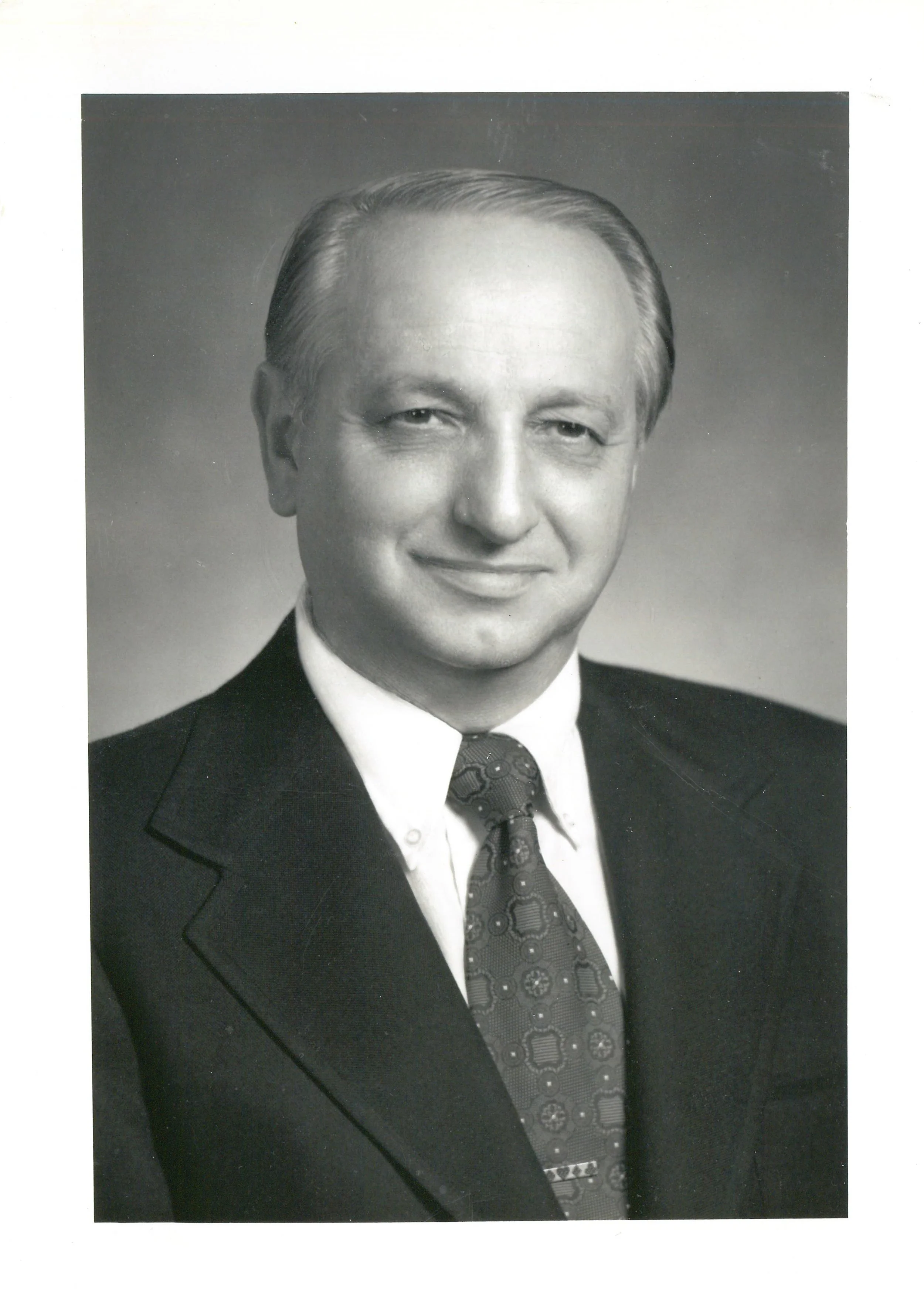
Dr. Clifford Blasi (Blasi family photo)
When the drinking age was lowered to 18 from 21 in 1973, in response to Vietnam draft protests, automobile drunk driving accidents skyrocketed. Fatalities climbed by 30%.
Dr. Blasi and his wife, Virginia, moved to Sea Girt with their three children, Virginia, Susan, and Clifford Jr.
In 1974, he opened a surgical office in Sea Girt, on Rt 71. He became the Sea Girt Guard Camp doctor while still maintaining Emergency Department coverage at a number of hospitals. The military had excellent experience in trauma.
Trauma treatment was well instilled in the US Army. M*A*S*H, a leading comedy of the Korean War, depicted how effective these units were in treating war-wounded. But the same techniques were not being used at US hospitals for trauma patients.
In 1966, the National Academy of Sciences released a study titled "Accidental Death and Disability: The Neglected Disease of Modern Society." This report shocked the medical establishment by revealing that a soldier wounded in the jungles of Vietnam had a significantly higher survival rate than a civilian severely injured in a car crash on an American highway.
Dr. Blasi, then President of the Hudson County Medical Society and Secretary of the American College of Surgeons, began developing resources to help New Jersey ERs react to trauma cases. He established a blood bank that hospitals could share, promoted peer review, and developed regional rapid-activation trauma care, which dramatically lowered mortality rates.
He urged his fellow Emergency doctors to come together and establish the emerging specialty of Trauma Care in the state. He taught at Rutgers and, with EMT pioneer Paul Roman, established the EMT certification program for the state of New Jersey to expand emergency response through the Monmouth County Regional Health Commission.
Dr. Blasi was described by the Jersey Journal in 1972 as a “dynamo” and a “perpetual motion machine.”
His daughter Susan reflected, “Dad went to medical school at Marquette, and there was a donut shop down the road, and the sign in front of the menu read:
‘As you ramble on in life, brethren, whatever be your goal. Keep your eye upon the doughnut and not upon the hole.’ That was my dad‘s famous line for all of us, and we all still have it framed in our homes and live by it.”
Many of the problems of emergency treatment required a change in practice in Trenton, and Dr. Blasi went to work to have the rules changed to get patients to the hospital faster and to get them treatment without delay. But he also wanted to attack the problem at its source. As President of the Medical Society of New Jersey, he used its committees to lobby for legislative change.
The number one cause of death for New Jersey teens was then from automobile trauma. At the peak, 1,600 people of all ages were killed in a year, and more than that were severely injured in car accidents. The primary causes were impacts with windshields, steering columns, and being thrown from the vehicle. The accidents overburdened Emergency Departments. The sharp rise in the number of paralyzed and traumatic brain injuries that exceeded insurance allowances left the state to care for a rising number of patients through Medicaid.
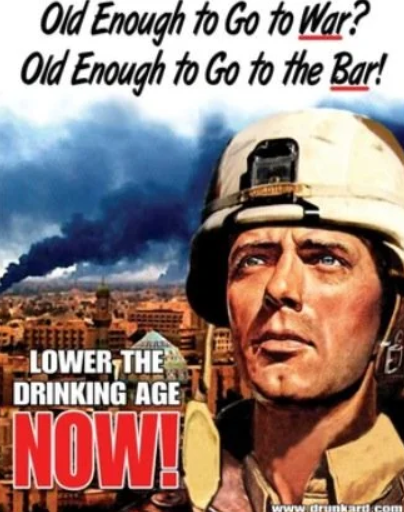
the Vietnam draft led to the calls for lowering the drinking age to 18 in the early 70s
Dr. Blasi led the charge to first restrain children in cars in 1983, and then in 1984, New Jersey law became the national model for mandatory seat belt usage for all ages. The doctors presented the problem as a medical problem.
Some protested that their rights were being infringed, but driving on government-maintained roads was ruled to be a privilege. Compliance rose quickly to 65% and eventually settled in at 92%.
Fatalities were cut in half, and serious injuries by 45%. The seat belt absorbs more than half the force of an accident, and shoulder harnesses combined with air bags (Invented in the 1950s but not mandated until 1998) have cut the serious injury rate even further.
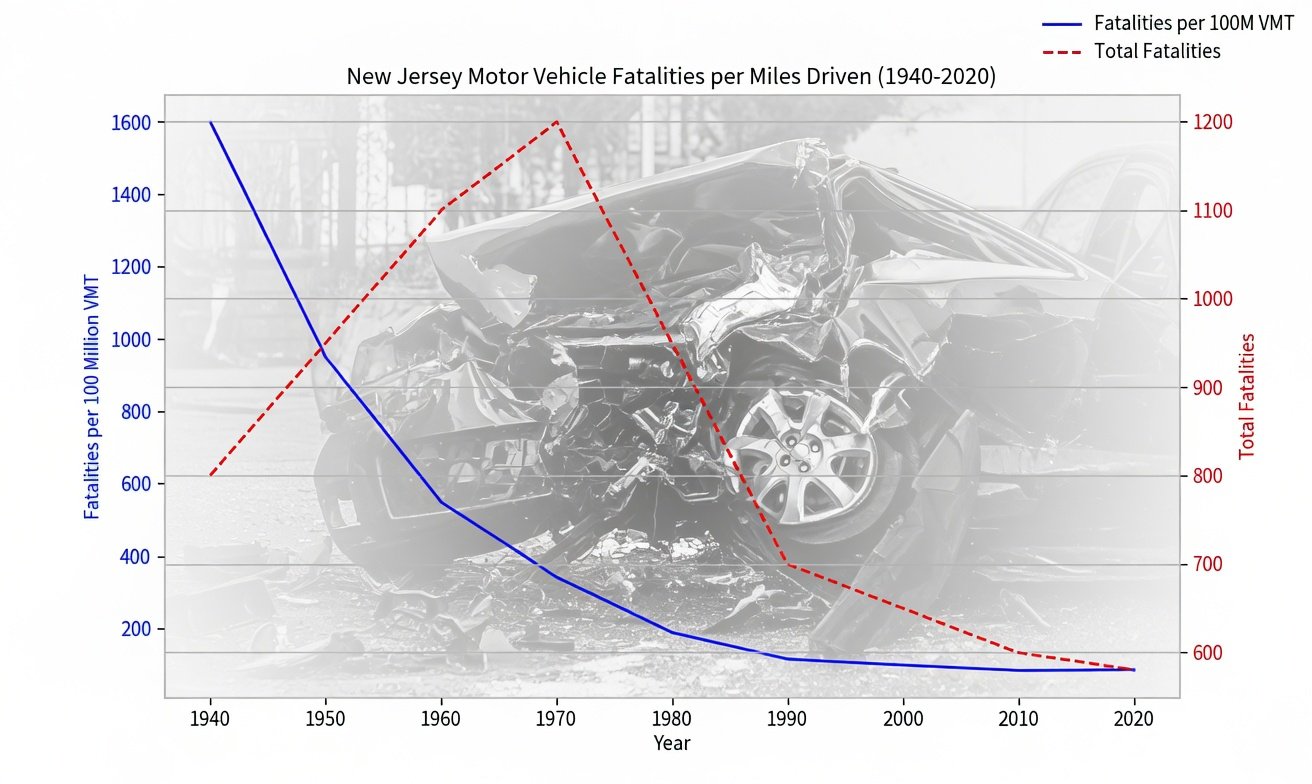
Safety measures, rule changes and EMT response time have dramatically cut fatalities.
The state saw reduced costs from caring for paralyzed patients. The national drinking age was raised to 21 through an act of Ronald Reagan, which further reduced accidents, and ended teens traveling across state lines to seek a lower drinking age.
Despite millions more drivers and the most densely populated state in the nation, New Jersey still has far fewer fatalities than before the new safety measures were enacted.
Virginia, who led the Women’s Hospiral Auxiliary in Sea Girt, passed away in 1981, and Clifford died in 1995. Their daughter, Susan, who spent 18 years as a surgical nurse herself, still lives in town and has served the borough in several capacities, including Chair of the Trustees of the Sea Girt Library, organizing the Sea Girt 100th anniversary in 2017, and the Sea Girt 250 Celebration.
She has fond memories of her father, “My dad was a kind and compassionate person. From the time he was a little boy, he always wanted to be a surgeon. He lived his life as a Catholic and shared his faith by living it in how he treated his patients, family, and friends - he taught us well, and I dearly miss him.”

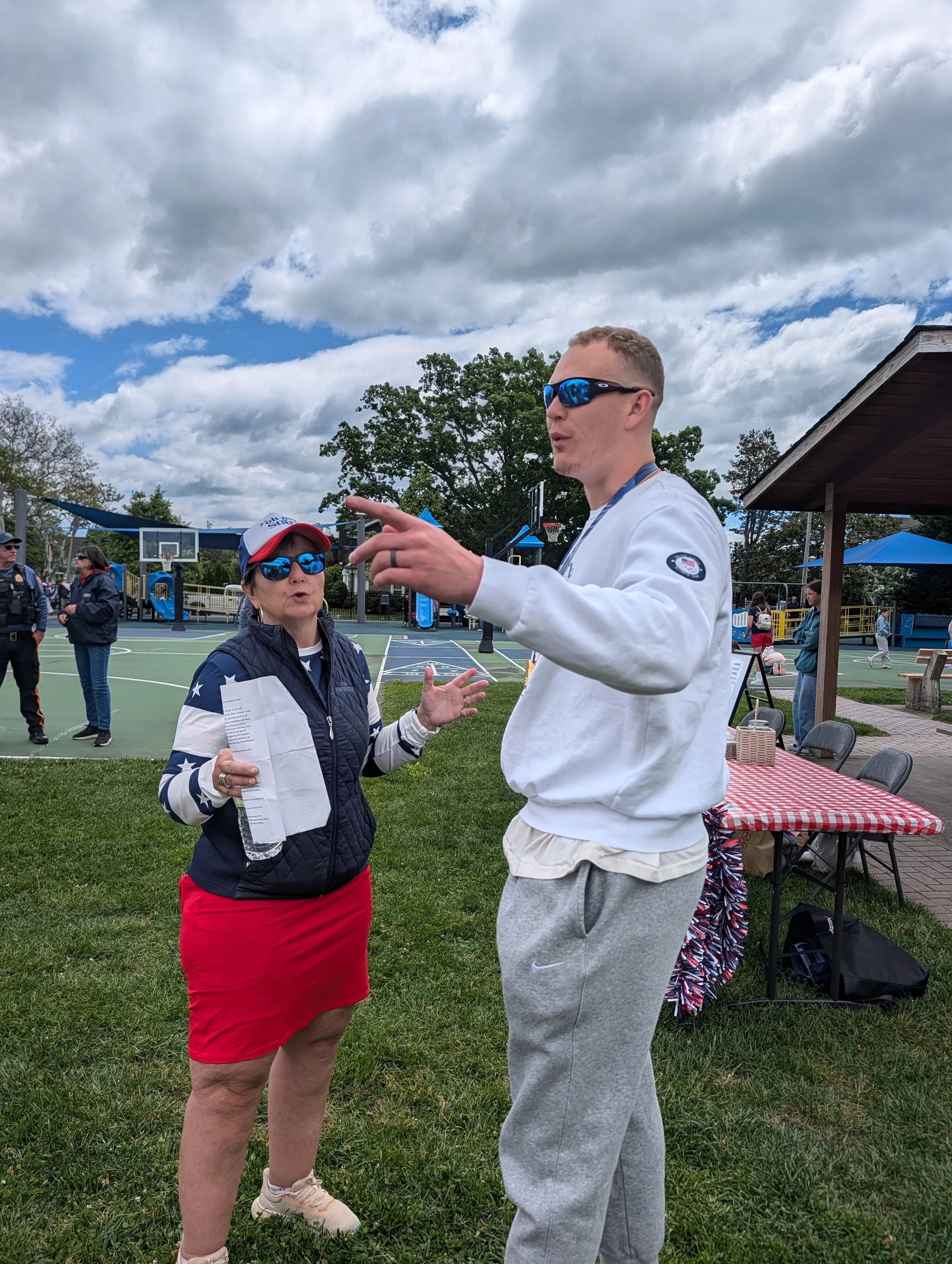
Susan with US Olympian and Sea Girt resident Brady Tkachuk

Susan as MC during the Sea Girt 250 Celebration