At the end of March, 1913, Captain David Merrill was sailing the Antioch up the east coast for Boston when a ferocious gale took hold. In the northern shipping lanes, he almost hit a steamer in the low visibility and drove the old ship toward the New Jersey Coast. The wind pushed the 183-foot bark, overloaded with lumber from Savannah, toward the shoreline. The coast was treacherous in foul weather, and the boat, constructed in Kennebunkport, Maine, in 1876, was on its last voyage.
The ship hit a fishing pound. The nets, strung up to 1300 feet along the sea floor, created a path to drive schools of fish into a square net, the pound, where they would circle in confusion until dipped out by pound fishermen with dip nets. The pound usually had long poles driven into the sand, visible in daytime from the surface, but deadly in the dark.
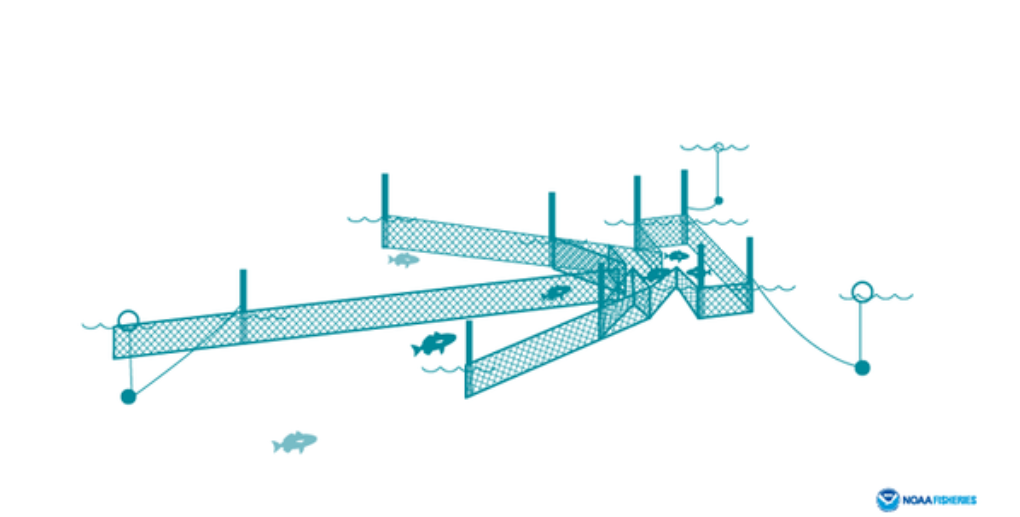
Pound nets sat offshore and were obstacles for ships
The pound nets got tangled in the rudder of the Antioch, and it swung around into the storm. It listed and took on water. The ship floundered in the sand just off Stockton Lake and was tossed by the gale. Captain Merrill fired his distress flare around 3:30 AM. Ten lives were at risk.
During storms, a Manasquan Life Saving Station patrolman walked the beach north to a halfway point in Sea Girt, where he met the Spring Lake Life Saving Station patrolman walking south from Wreck Pond. They would pass a time card to each other to prove they had made it halfway. Both men spotted the ship.
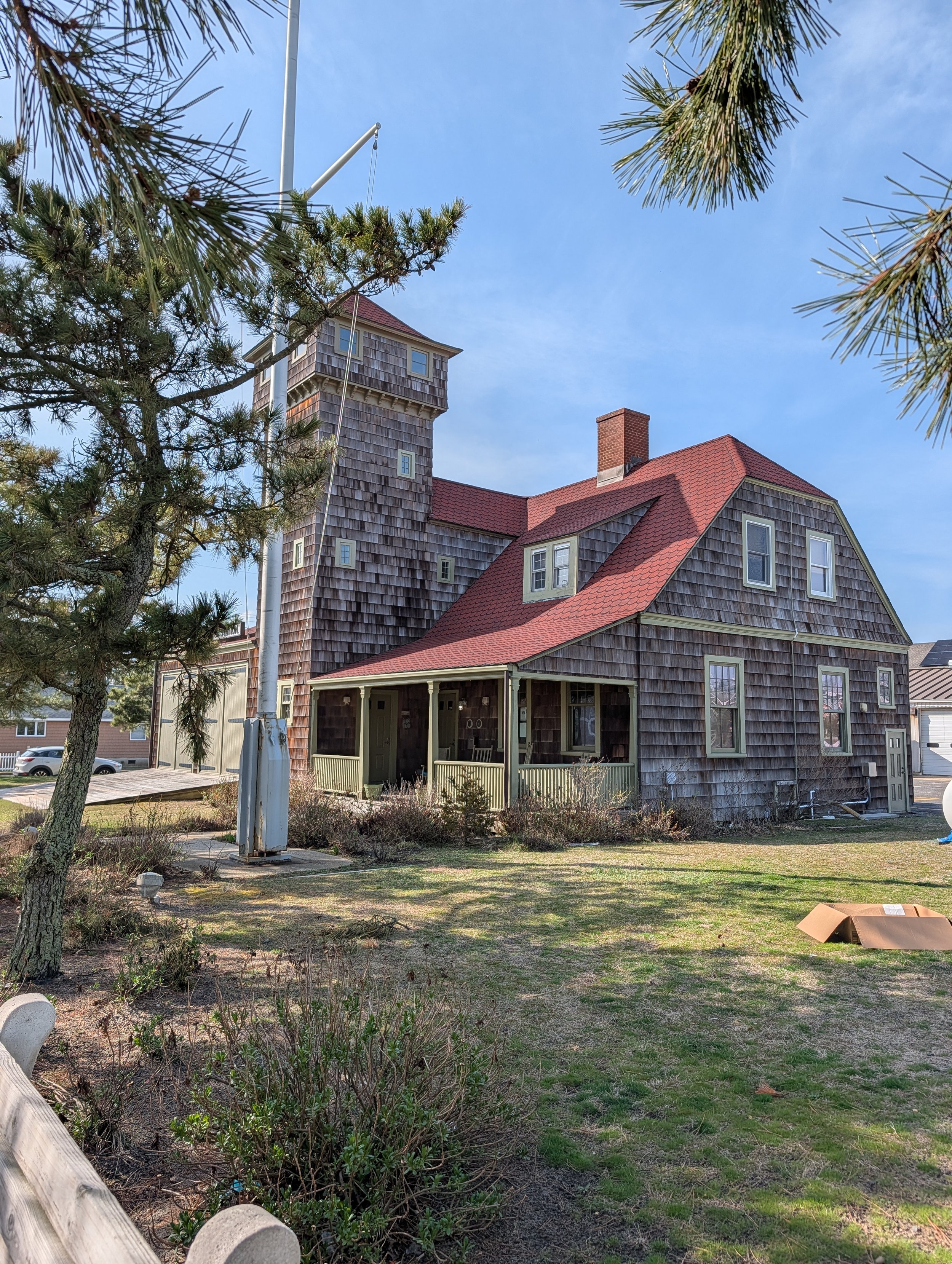
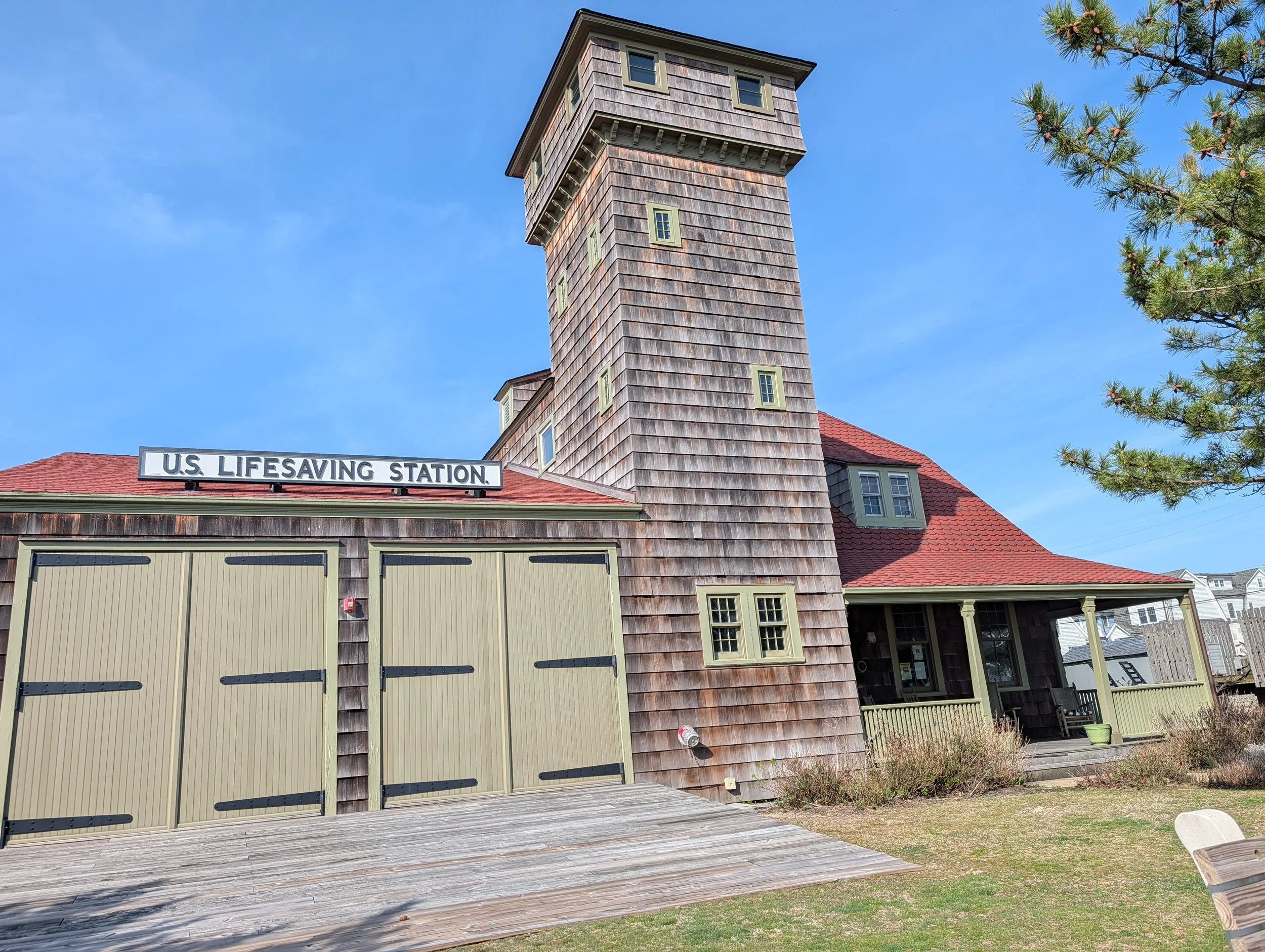
The 1903 station has been preserved
The Life Saving Station at Manasquan shot their red flares and called to the three neighboring stations on the recently installed telephones. Bay Head, Mantoloking, Spring Lake, and Manasquan sent their men, in their heavy oil coats, boiled in linseed oil to repel water. Horse-drawn carts carried men and equipment.
The lifeboats at Squan were useless; the surf was raging. The ship was about a quarter mile offshore.
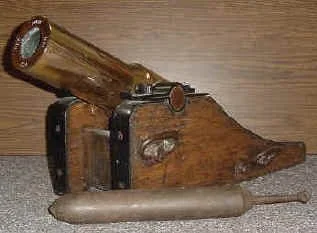
The Lyle Gun, a peaceful weapon
The Lyle gun was their only hope. The only gun designed to save lives rather than take them was a small brass cannon made to shoot life lines over the ship. Its range was over 700 yards, projected by eight ounces of Hazard’s specialty black powder. A glass flask measured exactly one ounce of the very purified powder. The men measured them out into silk bags, using the estimated amount needed to hit the ship. They did this under the cover at the life-saving station and then raced them to the gun on the beach, hoping to keep the powder dry.
The lines needed to be carefully ‘flaked’. The term originated from cod being salted on beaches. The crew needed to neatly spread the ropes in one layer in loops on the sand to ensure they did not tangle or drag as they flew toward the ship. On its end was an iron eyehook. The gale and the dark made the process very difficult. Boom! Canon fire drew spectators. By late morning, there were almost 1,000 people on the beach in the pouring rain watching the drama.
The lines repeatedly missed their mark. The ten men aboard were nearing panic, seeing land so close, but knowing that they would quickly die in the cold sea. As first light helped the aim, the Lyle gun hit its mark after three failed attempts, and almost four hours had passed.
The shot line was a smooth, light braided rope, an improvement over the older hemp lines. At the beach, they connected it to the ‘whip line’. The whip was a heavier rope, and a half mile long. Its bulk meant a full crew had to move it, but once tied to the end of the shot line, the lifesavers could let it out and back with a pulley block. Now they could send tools and materials out and back on the whip line. Finally, they sent out a third line, the Hauser, which used three-inch thick rope. It was anchored to the beach, and then a tripod was lifted on the sand over 10 feet high to raise the Hauser line above the breakers. The wet, heavy Hauser needed to be anchored to the ship, but once secured, it usually could hold the weight of multiple passengers.
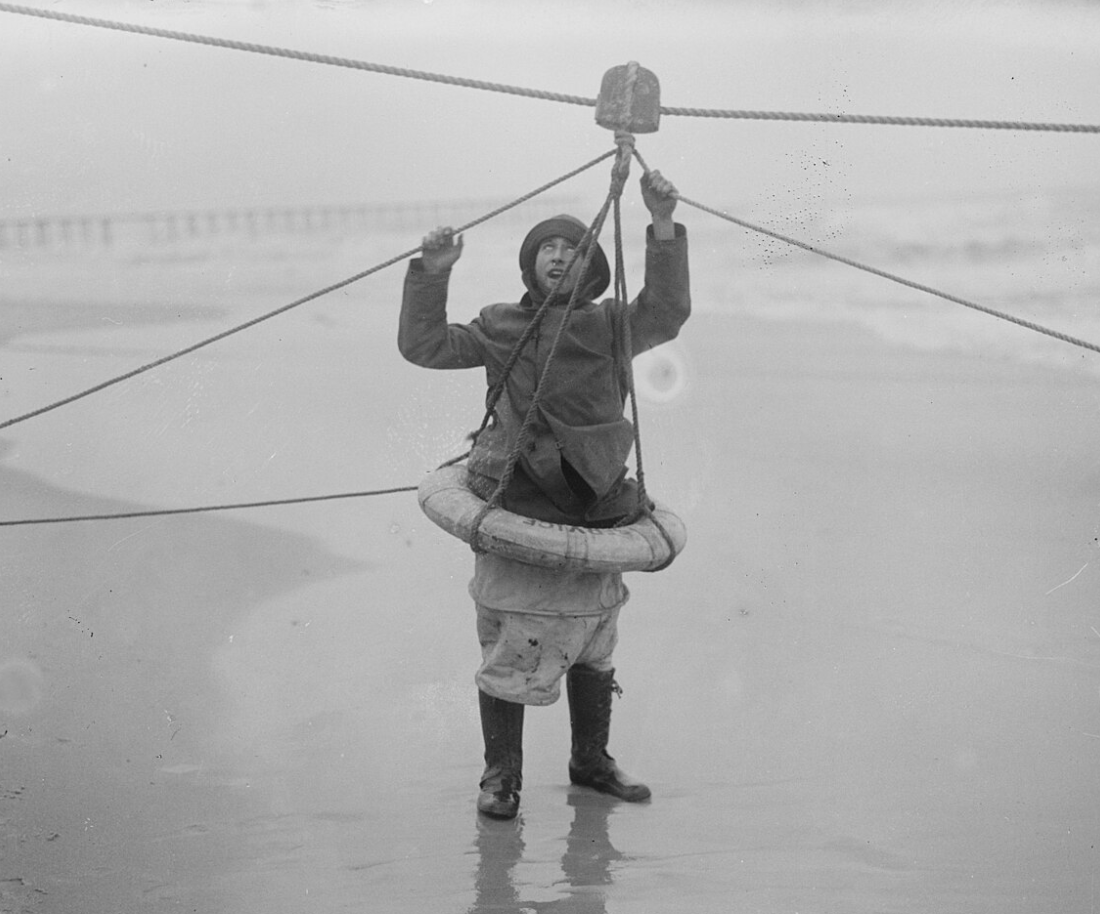
The breeches buoy
There was nearly a fight to be the first to get into the Breeches Bouy. The contraption was a seat with an inner tube sewn in and a block and pulley above, with a line to pull them to shore.
The winner of the first seat was an African American named Taylor, who had survived a wreck off Cape Hatteras in 1912. After Taylor, another sailor, Vyney, was pulled ashore safely. The third man, Phillips, stepped off the rail, and the whip and hauser line broke loose behind him. Man and chair went below the boiling surf. Everyone watching held their breath as the men on the lines ran as fast as they could, and other townsmen picked up the lines. They all pulled the submerged chair to the shoreline. Phillips was alive and was taken to the Station for first aid. The remaining seven men aboard had to wait for the process to repeat with another shot line. It took until about 2 pm for the breeches buoy to get to the ship to bring the remaining men ashore.
No lives were lost, and Superintendent Cole of the Squan Station commended all the men who assisted in the rescue of the Antioch Crew.
After WWI, the Lifesaving Service became the Coast Guard. The Lifesaving Station was active as a Coast Guard Station from the early 1930s until 1996, when Manasquan purchased the 1903 building for $1.
Getting the equipment to the beach was a huge part of the job of the Saving Service
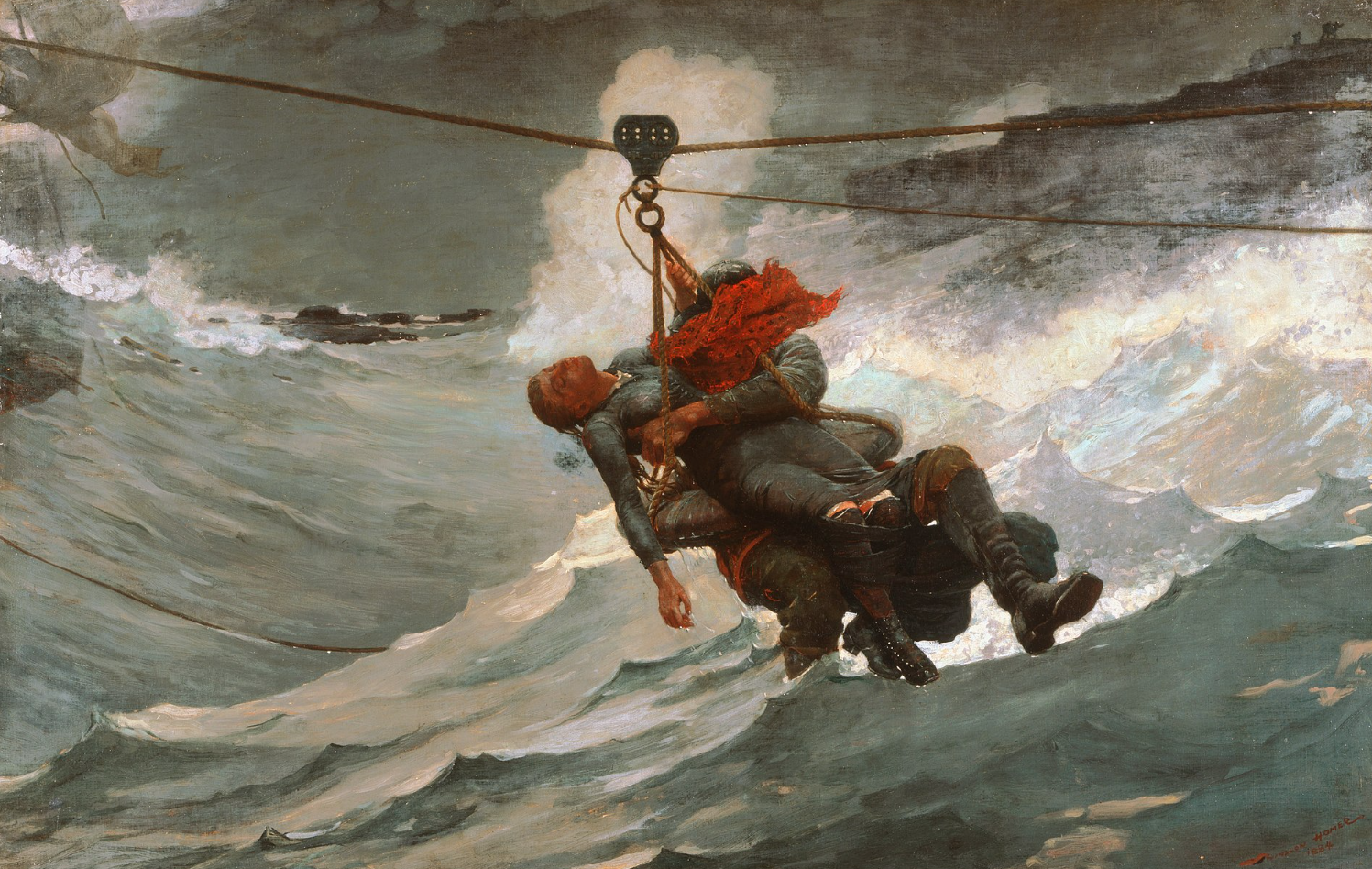
Winslow Homer painted beach scenes off at Long Branch, but the Life Line is his most famous post Civil War image.