
For most of our careers, we are conditioned to see retirement as the finish line—an unbroken stretch of leisure, open calendars, and freedom from responsibility. The promise is simple: once you cross it, you will finally have the time to be happy.
Retire in your 60s, and you may spend twenty to thirty years—up to a full third of your life—in this next chapter. Treating those decades as an extended vacation rarely delivers the joy people expect. In fact, directly chasing happiness as a daily objective often ensures you miss it.
Viktor Frankl captured the deeper truth in Man’s Search for Meaning: happiness cannot be pursued. It must ensue as the unintended byproduct of dedication to a cause greater than oneself, or surrender to a person other than oneself. When we become hyper-focused on manufacturing our own emotional state, we drift into what he called the existential vacuum—a subtle, persistent emptiness.
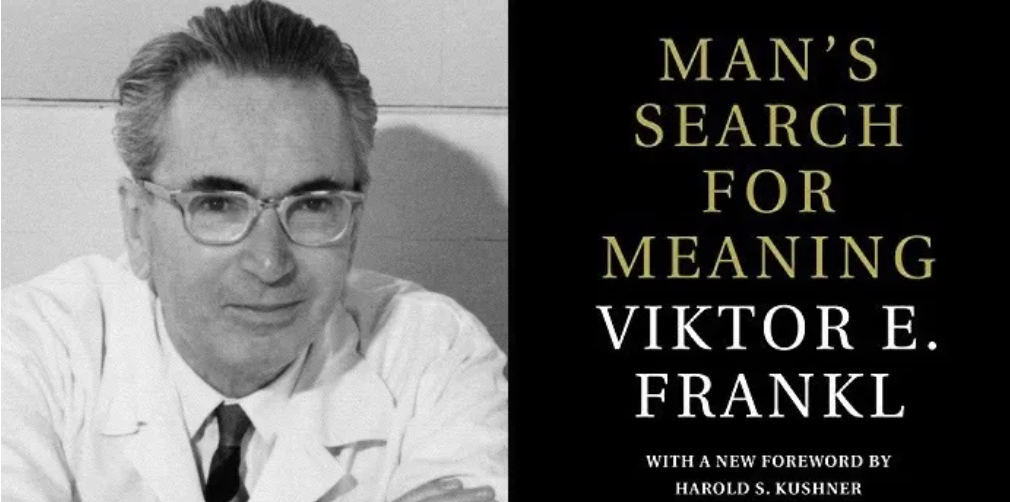
Viktor Frankl survived the horrors of Nazi concentration camps. He used the suffering to formulate his theories.
Stop trying to engineer happiness. Focus outward on responsibility, craft, and connection, and you create the conditions for genuine contentment to find you.
Travel still belongs in the picture. I take a few trips a year, at a pace not much different from my working days. I enjoy new places and celebrating milestones by traveling with family. I am also clear that the window for comfortable travel is finite. Physical stamina, mobility, and energy shift over time.
As I note in The Rule of 70:
“While people obsess over lifespan, they should prioritize healthspan—the years lived free of chronic illness. Physical vitality has a sharper expiration date than financial assets.”
Travel retains its richness when it remains an intentional pause inside an active, structured life—not the entire foundation of a multi-decade retirement.
Three practical pillars let lasting fulfillment take root.
1. Daily commitment to physical vitality: Take a walk
Maintaining healthspan requires consistent effort. There is dignity in treating daily health and conditioning as a core responsibility.

Walking in all weather is therapeutic in many ways
Longitudinal research linked to the National Institute on Aging (including studies such as Health ABC and InCHIANTI) shows that preserving muscle mass and strength is among the strongest protectors of mobility and independence in later decades. Regular cardiovascular activity and resistance training are also associated with better cognitive outcomes and slower neurological decline in older adults. Challenging the mind is also important. Landmark research (such as findings from the Religious Orders Study and the Rush Memory and Aging Project) shows that individuals who consistently participate in cognitively stimulating activities throughout life can tolerate higher levels of Alzheimer’s-related brain pathology before displaying clinical symptoms of dementia.
Putting in the work each day gives you the stamina to engage with the world, serve others, and enjoy travel while the window remains open.
2. The multiplier: deep, selfless relationships
Financial security provides flexibility. Relationships provide meaning.
The Harvard Study of Adult Development—now spanning more than 85 years—found that the quality of close relationships is the single strongest predictor of health and happiness in the second half of life. Relationship satisfaction at age 50 predicted physical health at age 80 more accurately than cholesterol levels.
Fulfillment comes from showing up without demanding center stage: patient presence with a spouse through evolving seasons, quiet mentoring of the next generation, and steady support for friends through hard times.
I have learned this personally. Being present for my wife, children, and grandchildren has brought more joy than working ever did. It’s the one thing I know I have to keep working at.
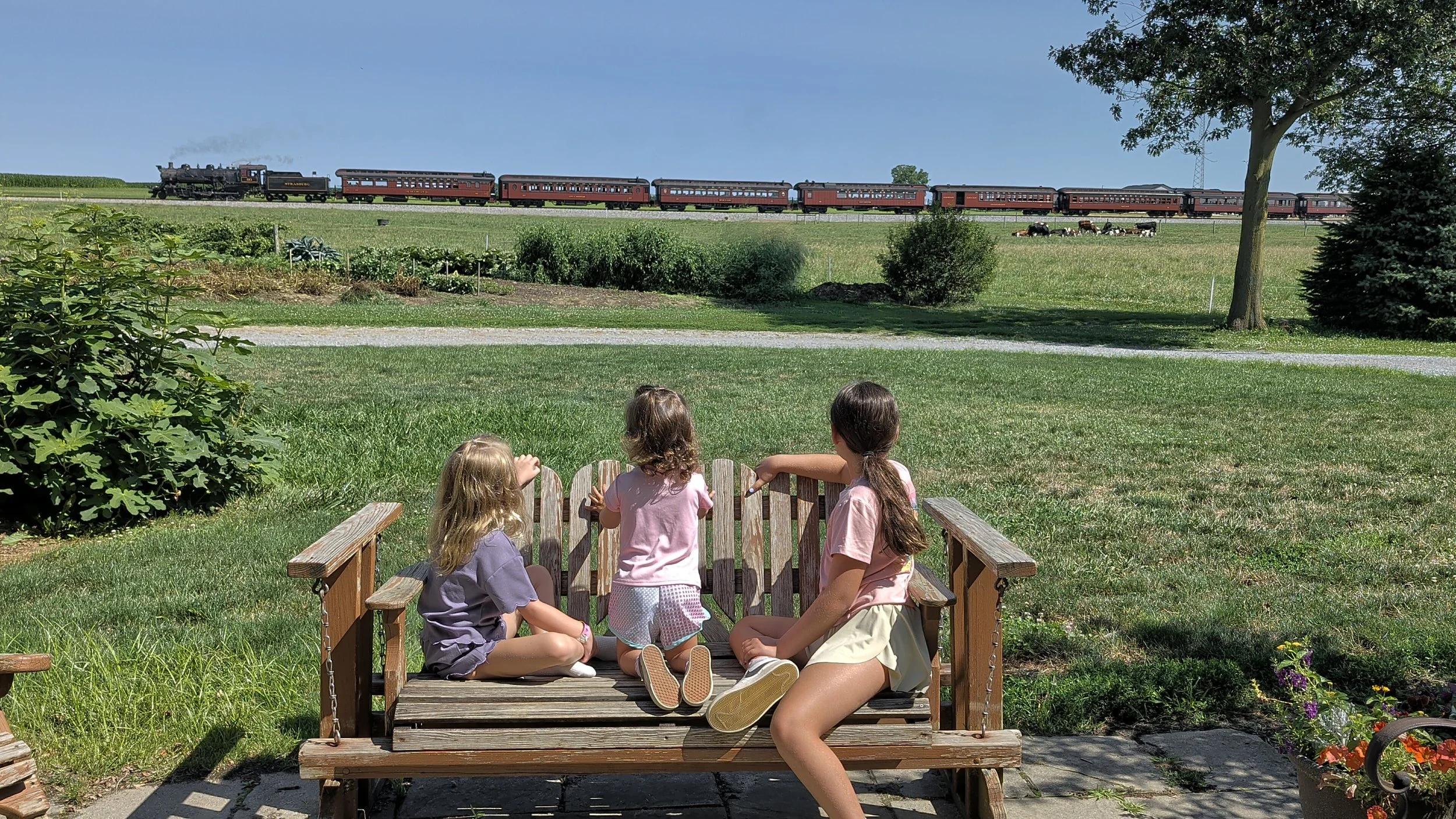
Grandchildren, if you are lucky enough, are a wonderful gift to invest time and love into.
And as I write in the “It’s about the event” section of The Rule of 70, time with friends is rarely about the menu or the quality of the food. It is about sharing one another’s challenges and experiences. The bubble of our shared relationships is where the real nourishment lives.
When the daily question shifts from “What will entertain me today?” to “Who can I support today?”, self-forgetfulness produces a quiet, unshakable peace. Give without expectation of pay, gratitude, or acknowledgement. When good comes back, and it usually does, you will feel genuine happiness.
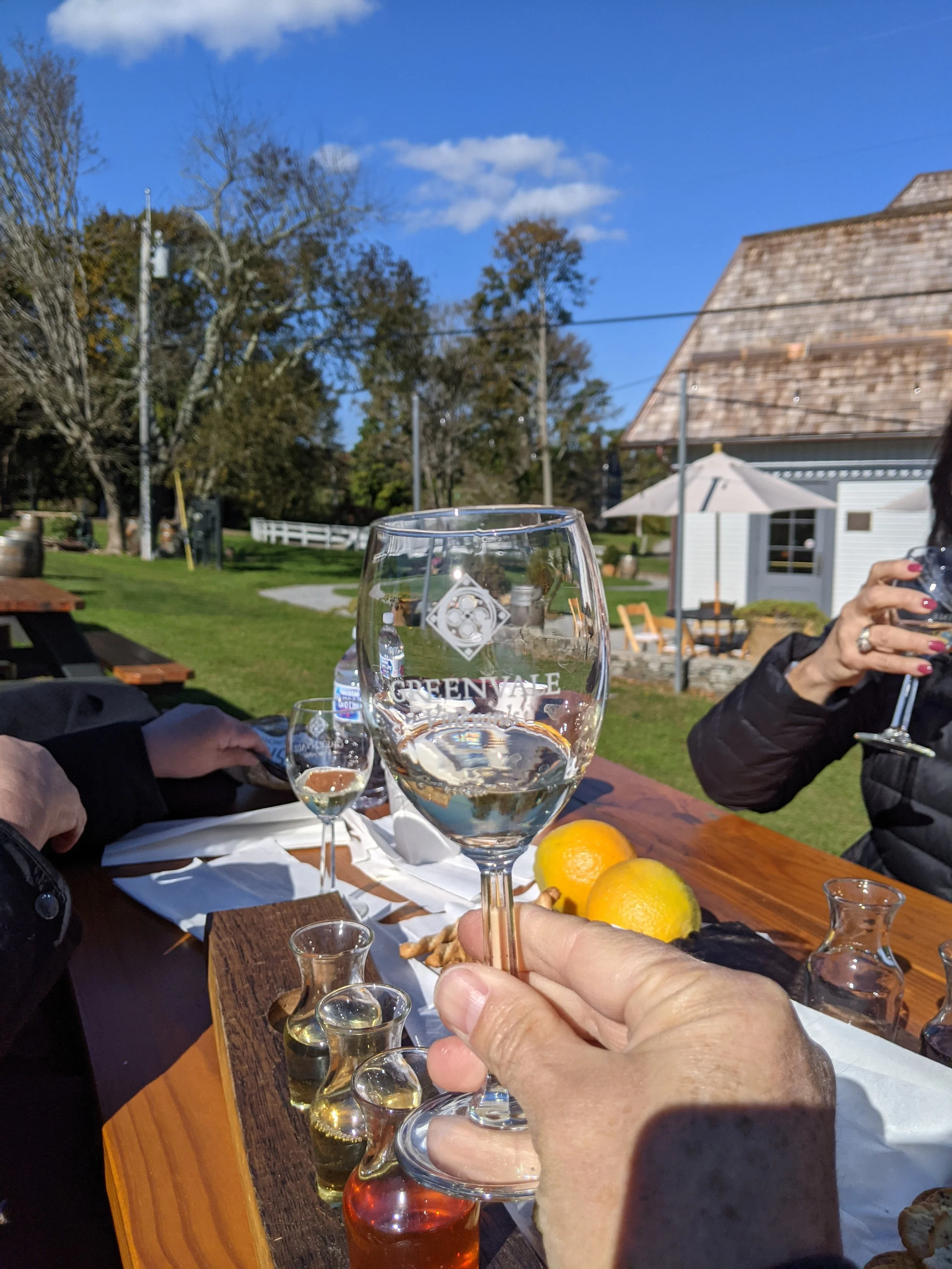
Sitting and talking with friends is a worthwhile investment
3. The dignity of tackling hard tasks
We are wired for competence. Pure leisure rests the mind; constructive effort elevates it.
Experimental research supports this. In a six-month longitudinal study, Sheldon and colleagues found that the persistent pursuit of goals that satisfy basic psychological needs—especially competence—produced measurable, sustained gains in happiness. Progress and completion of meaningful personal projects reliably elevate well-being; the sense of finishing something difficult is itself rewarding.
Lasting satisfaction comes from leaning into friction: researching, drafting, and finishing a complex project; guiding a board or community organization through difficult transitions; restoring a property or mastering a craft that demands patience. Writing poetry, implementing AI, watercolors, learning investment management. Hard tasks are everywhere.

Mastering a new skill can bring great satisfaction through the struggle to learn
I have felt this directly. Finishing books—not selling them—brings deep satisfaction. Leading a hospital board has humbled me. The business challenges are daunting at times. The pride of seeing a multi-month or multi-year effort across the finish line cannot be bought at a resort. It has to be earned. Lean into the difficult.

Giving back in retirement leads to better outcomes for the participants
So stop trying to be happy and let happiness find you
Retirement is not an exit ramp. It is your most autonomous chapter of purposeful living.
Take the trips. Enjoy the getaways while your health is strong. But do not make the pursuit of fun the central purpose of the decades ahead.
Steward your health. Invest deeply in your people. Put your hard-won experience into demanding, worthwhile work. Build a life of substance—and let happiness take care of itself.
Looking for a practical blueprint for healthspan, purposeful time, and legacy?
Check out The Rule of 70, A Single Rule for a Rewarding Life.