Another in an irregular sequence of posts regarding notable summer residents of our area.
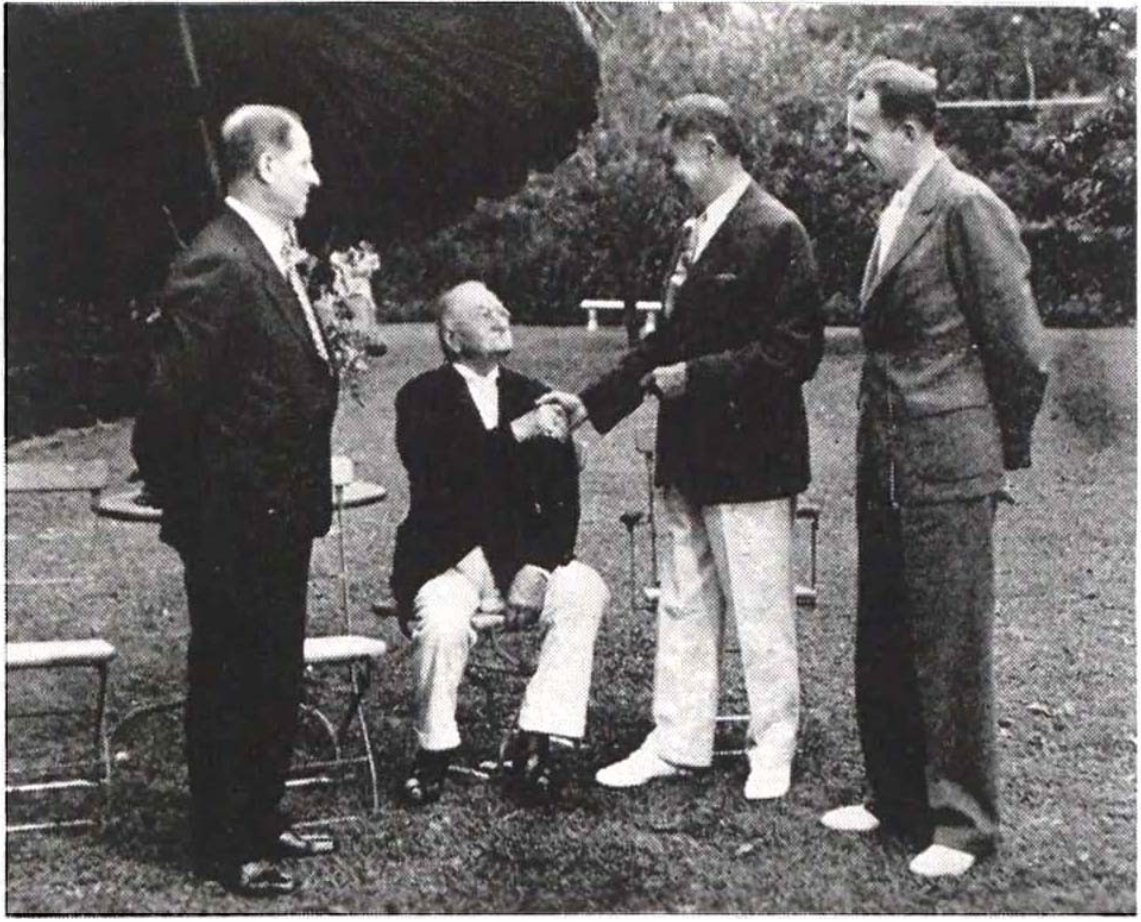
At 110 Brighton Avenue, Theodore August Kastner celebrated his 90th birthday in Spring Lake with his large extended family in 1936. The Kastners had summered there for decades following Teddy’s retirement in the early 1900s. The elegant garden party toasted his milestone with beer, which had only recently returned to legal status following the repeal of Prohibition.
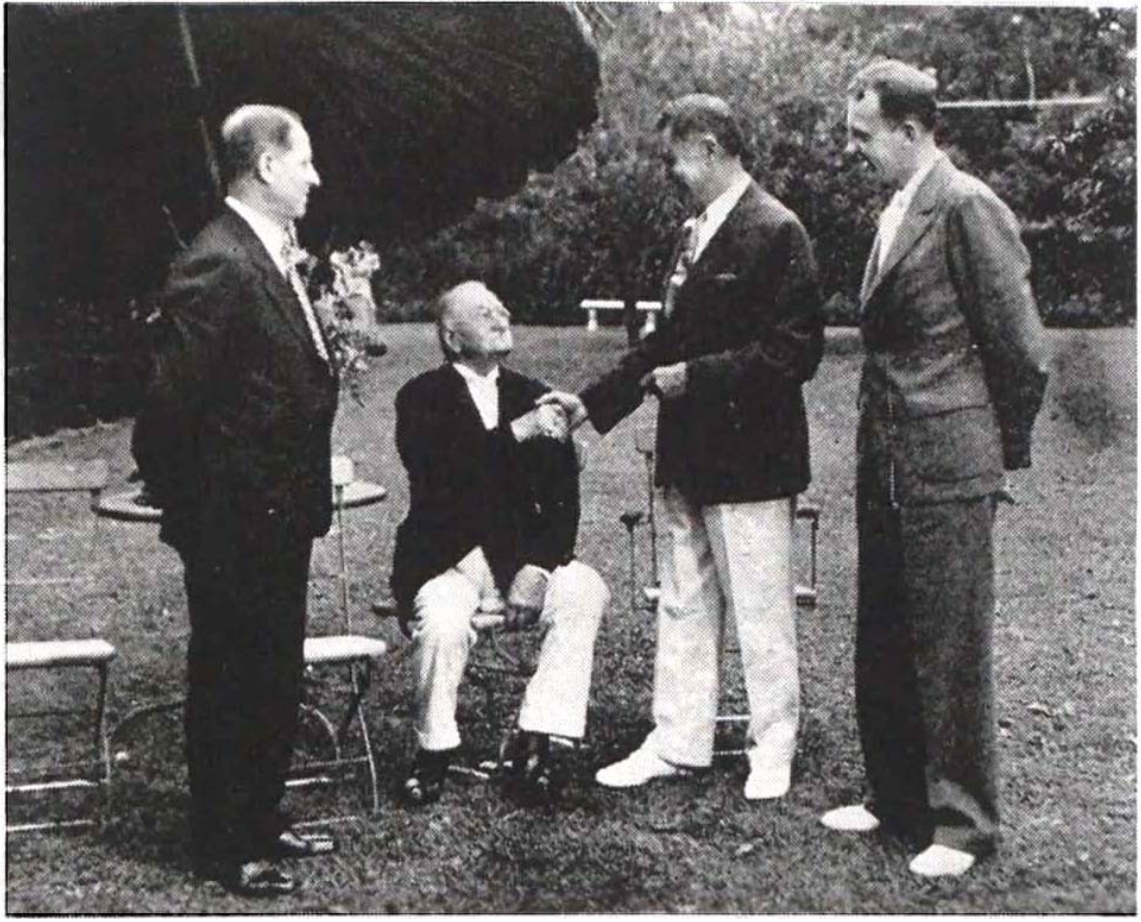
The 90th birthday party at 110 Brighton Ave Spring Lake (https://sites.google.com/site/christianfeigenspanbrewingco/home/newarks-kastner-schueler-family-of-brewers)
The Kastners were at the center of Newark’s brewing golden age. Beer made them wealthy as they slaked the thirst of a booming metropolitan population. Between 1870 and 1910, roughly 3.1 million German immigrants arrived in America, bringing a strong preference for traditional lagers. Across the nation, adult per-capita beer consumption approached nearly 30 gallons annually.
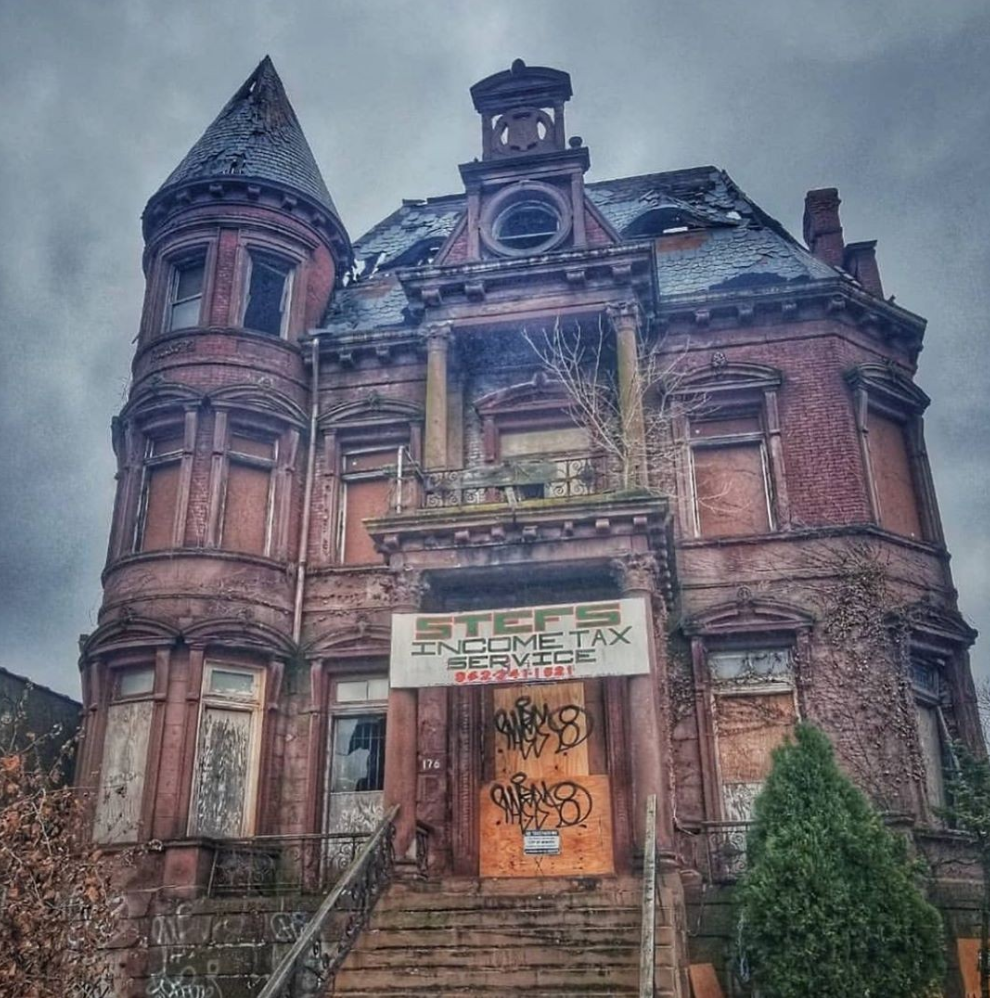
Franz’s mansion during the effort to save the structure. It was unable to be saved
By the 1870s, twenty-four independent breweries operated in Newark, with Kastner, Ballantine, and Gottfried-Krueger ranking among the largest.
The Kastner firm was founded in 1860 by Theodore’s father, Franz Kastner, an immigrant from Rastatt in the Grand Duchy of Baden. Newark’s industrial expansion, combined with pure water from the nearby Watchung Mountains and local grain, provided ideal conditions for brewing crisp lagers that contrasted sharply with heavier English-style ales. The process relied on bottom-fermenting lager yeast strains that worked at cold temperatures, allowing yeast and proteins to settle and producing a clear, bright beer. The strains were first used in winter brewing in Germany, and for a time they were a tightly held secret. There was a circular trade in goods, as the residual barley waste was sold back to area farmers for feed.

Lager’s unique yellow amber
Teddy studied brewing in Baden before taking over operations at his father’s Phoenix Brewery. As production grew and rail networks expanded distribution, the industry began consolidating. Active in trade governance, Teddy was a founding member of the United States Brewmasters' Association, advocating strict quality and production standards.
Family drama punctuated the company's rise. In 1884, Teddy’s brother Charles, who struggled with alcohol, threatened his parents during a violent altercation. Franz’s collections agent, Isaac Adler, intervened as Charles threatened Franz with a firearm; during the struggle, Charles was shot in the head. He survived and was subsequently jailed, leaving Teddy as the heir apparent to the business.
In 1889, Franz and Teddy sold the brewery for $800,000 to an English syndicate, which consolidated it into the Emerald & Phoenix Brewing Company alongside several other regional operations. Teddy remained on site as head brewmaster until stepping down with his fortune around the time of his father's death.
In 1892, Franz, who married three times, erected an ornate 32-room brick and brownstone mansion in Newark, which stood abandoned for decades before being destroyed by fire started by a squatter in 2019.
Teddy maintained prominent residences in Newark and Spring Lake, traveled extensively throughout Europe, and purchased one of the area's early automobiles, roaring through Newark and Spring Lake roads. His daughter, Sophie, married Ludwig Schueler from another brewing family. Ludwig and their sons remained active as brewmasters at commercial factories into the 1970s.
The logo of the Phoenix rising on F.J. Kastner’s Lager
Teddy’s exit from the business proved well-timed. Wartime grain rationing during World War I constrained operations. The onset of national Prohibition in 1920 shuttered Kastner’s Phoenix and most of Newark’s breweries permanently. The Kastner operation closed. Some held on by making dyes, near beers, ice cream, and soft drinks, and brands like Yuengling, Busch Coors, Miller, and Pabst returned to beer with the ratification of the 21st Amendment in December 1933.— In time for Teddy’s 90th birthday dinner party celebration, with three generations of Brewmasters present and four generations of family. Theodore Augustus Kastner died a year later at his Spring Lake home.