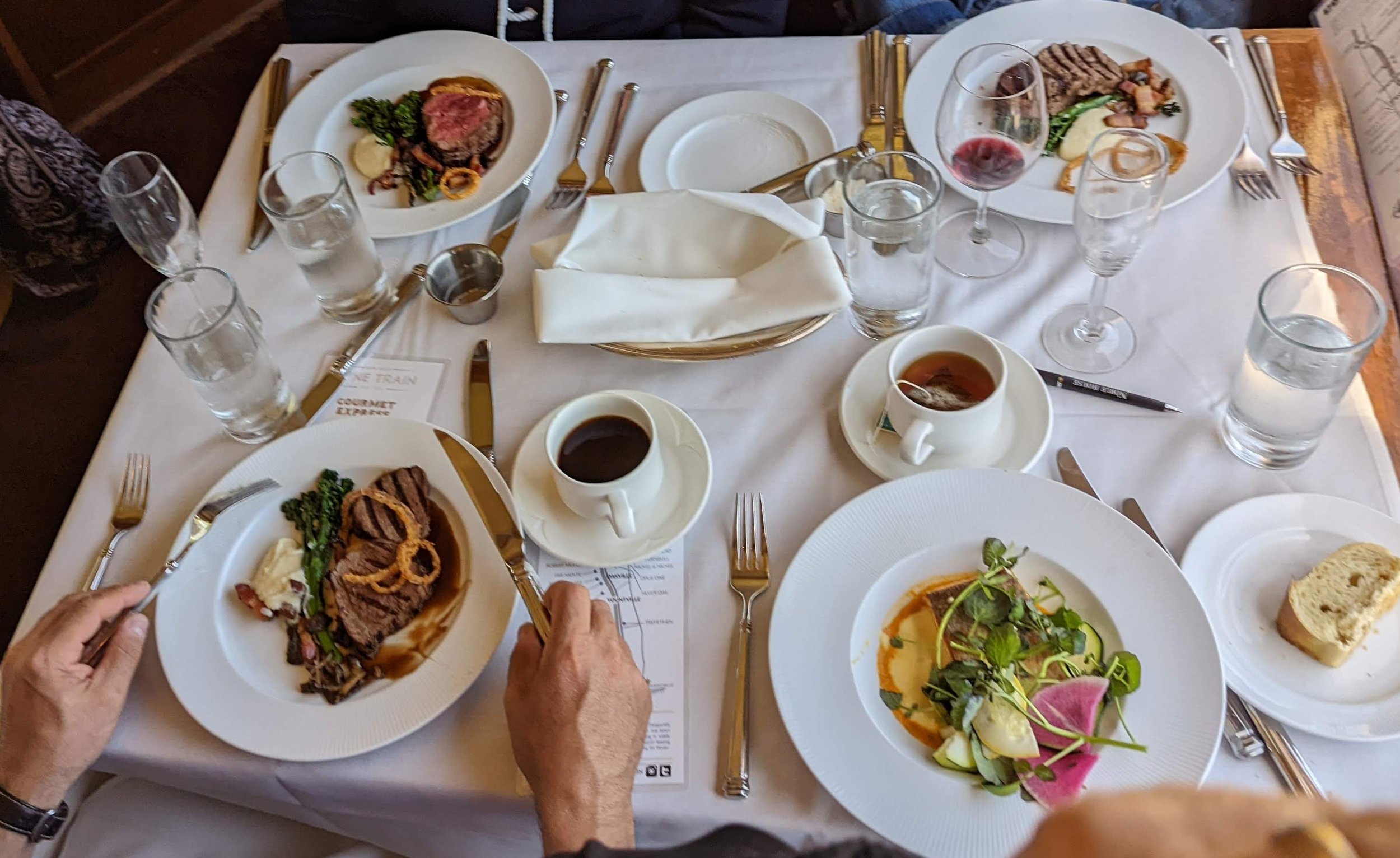
2025 data from the World Happiness Report and the National Institute on Aging confirms that "breaking bread" with others is one of the most effective ways to protect your healthspan and secure the "prosperity" I write about. For ages, killing the fatted calf, a wedding feast or family eating around a campfire, or just sharing a beverage has been a way to celebrate, communicate, and socialize.
My book, The Rule of 70, is a simple, urgent compass: maximize your "good years" while you have them, maximize the prosperity that comes from rich experiences with friends and loved ones.
1. For Children: The Emotional Foundation
Sharing family meals is more than just a nutritional win; it’s a psychological shield.
The Data: A 2025 study in ResearchGate found that children who share at least five family dinners a week have significantly lower rates of aggression and emotional instability.
Happiness & Depression: With each additional family meal, from 0-4 per week, adolescents are 24% less likely to show symptoms of depression or risky behaviors. The dinner table provides a "predictable pause" that fosters a sense of belonging, which is the ultimate antidote to childhood anxiety.
2. Young Adults: Fighting the "Solo Dining" Epidemic
Today’s 20- and 30-somethings are facing a unique challenge. With the median age of first marriage now reaching record highs, many young adults are spending their most formative "good years" dining alone.
Beyond Matrimony: It isn't just a lack of a spouse; the rise of the "Gig Economy" and remote work has stripped away the traditional "office lunch," leaving many to eat at their desks or in front of a screen.
The "Smartphone Tax": 2025 research indicates that even when young adults do go out, "phubbing" (phone-snubbing) prevents the release of oxytocin and endorphins that normally occur during a shared meal.
Estrangement: The rise of family estrangement among Millennials and Gen Z means that the very group most in need of a 'sense of belonging' is often the one most likely to sever the ties that provide it, trading immediate emotional relief for the loss of a lifelong social safety net.
The Healthspan Risk: Frequent solo dining in your 20s and 30s is linked to a 7% increase in cortisol levels, which can accelerate biological aging long before you hit 70. For this group, Keith Ferrazzi’s 2005 Never Eat Alone isn't just a business strategy—it's a health mandate to build "social fitness."

As my friend Joe says, “Its about the event”
3. For Parents: The "Social Capital" Dividend
As a parent, your healthspan depends on your ability to manage stress.
The Prosperity Link: In my book, I define prosperity as living in a flourishing condition. For parents, 2025 NIH research indicates that those who prioritize family meals report higher self-esteem and lower levels of burnout.
Networking as a Tool: Applying Keith Ferrazzi’s Never Eat Alone principle, parents who use "power lunches" or social dinners to build their network aren't just working; they are building a "lifeline" of social support. This reduces systemic inflammation (cortisol) and protects the heart, effectively extending the "good years" of mid-life.
It’s not just families: Firefighters who eat together gain a professional safety net: Cornell found that teams in high-stakes environments who eat together perform better. For teams, a lack of communal dining was a red flag—a signal that "something deeper was wrong" with the group’s cohesion.
4. For Seniors: The Cognitive Workout
As we age, the goal is to maintain cognitive and physical independence.
Brain Health: A January 2025 study from Rush University found that frequent social activity—specifically dining out and visiting friends—can delay the onset of dementia by five years..Alzheimer’s & Dementia: The Journal of the Alzheimer’s Association
Nutritional Integrity: Seniors who eat in social settings are less likely to skip meals or suffer from malnutrition. The conversation at the table acts as a "neural workout," strengthening the circuits involved in memory and thinking. It is about the event.
The Multiplier Effect: Dining by Age Group
Children, Emotional Resilience: One extra shared meal a week adds 0.2 points to life satisfaction. This is the adult equivalent of doubling your income.
Young adults, Social fitness: Replacing 3 solo meals with shared ones reduces "loneliness markers" by 15%
Adults 30-60, Stress Reduction, 30% reduction in stress hormones when parents shift from "convenience eating" to "communal dining."
Seniors, Cognitive Longevity: Active social dining reduces dementia risk by 38%.
The Rule of 70 is designed to improve outcomes. You only have a few years with kids, and limited opportunities to share meals with the people you care about. Some meals I remember best were last meals I shared with parents, Aunts and Uncles who are no longer with us.
Don't reach your later years with regrets.
Plan for "Good Years": Use your money to buy experiences and time with others, not "stuff."
The "13 Meals" Goal: Aim for 13 shared meals a week—whether it’s a family breakfast or a "Never Eat Alone" networking lunch.
Ditch the Screen: The "smartphone tax" ruins the endorphin bonding that happens when we are fully present.
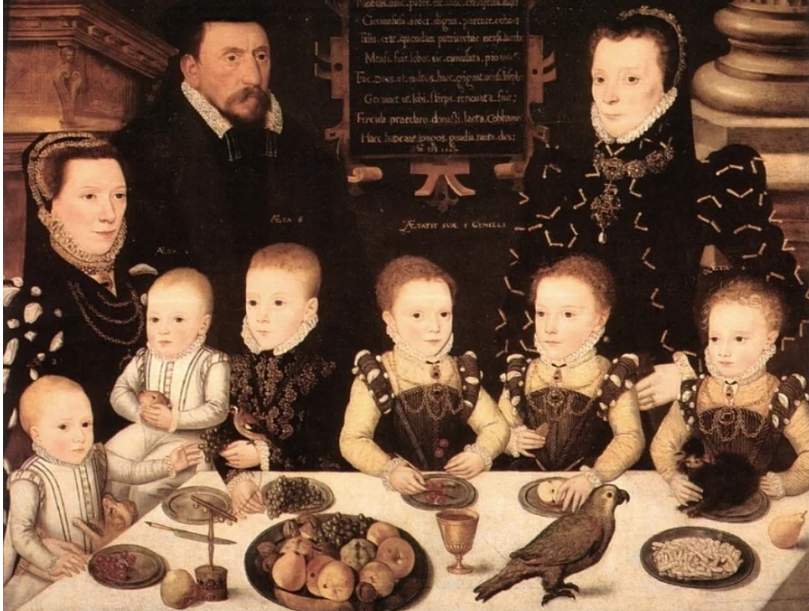
The dining table dates from Elizabethan times. Meal sharing goes much further back.
The table is where you nourish your soul, build your network, and unlock a more rewarding, impactful life. Start today.
This video breaks down the findings from the 2025 World Happiness Report, explaining why sharing a meal is as significant for your well-being as your income level.