The Beauty Secret of Dolly Parton
Who didn’t love Dolly Parton? In her 80 years, her honesty, sweetness, charm, and generosity, combined with a prolific singing and songwriting talent, made her a unique American icon.
Dolly’s candor was refreshing. She didn’t quibble much about the rhinestone and diamond image she maintained. “It takes a lot of money to look this cheap,” she laughed. Implants, facial surgeries, makeup, soft lighting, and wigs were her deliberate theatrical persona.
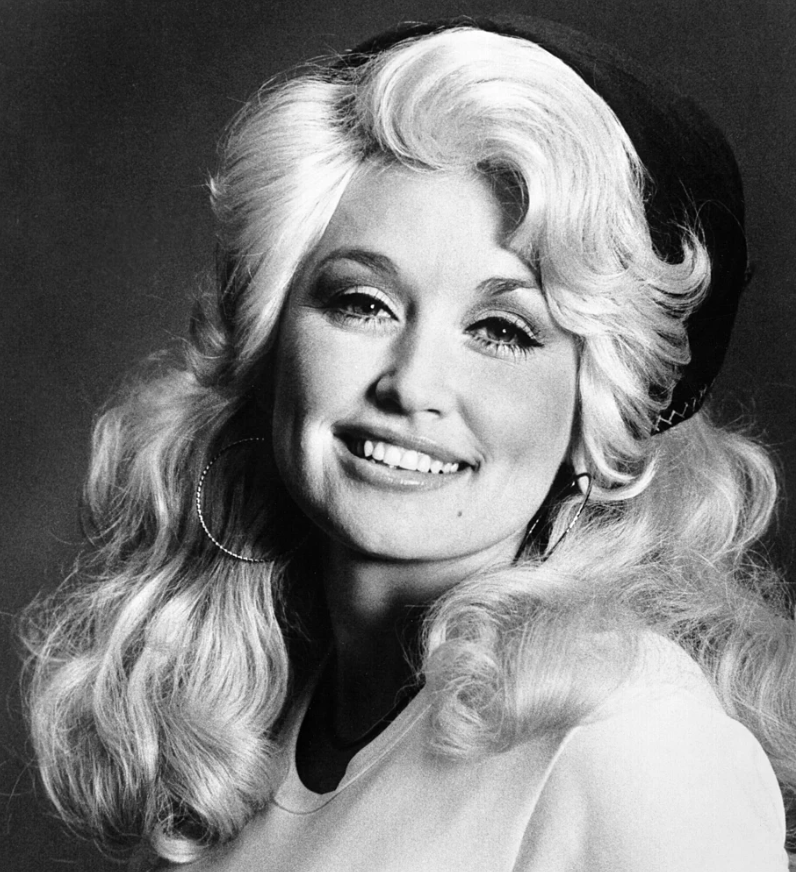
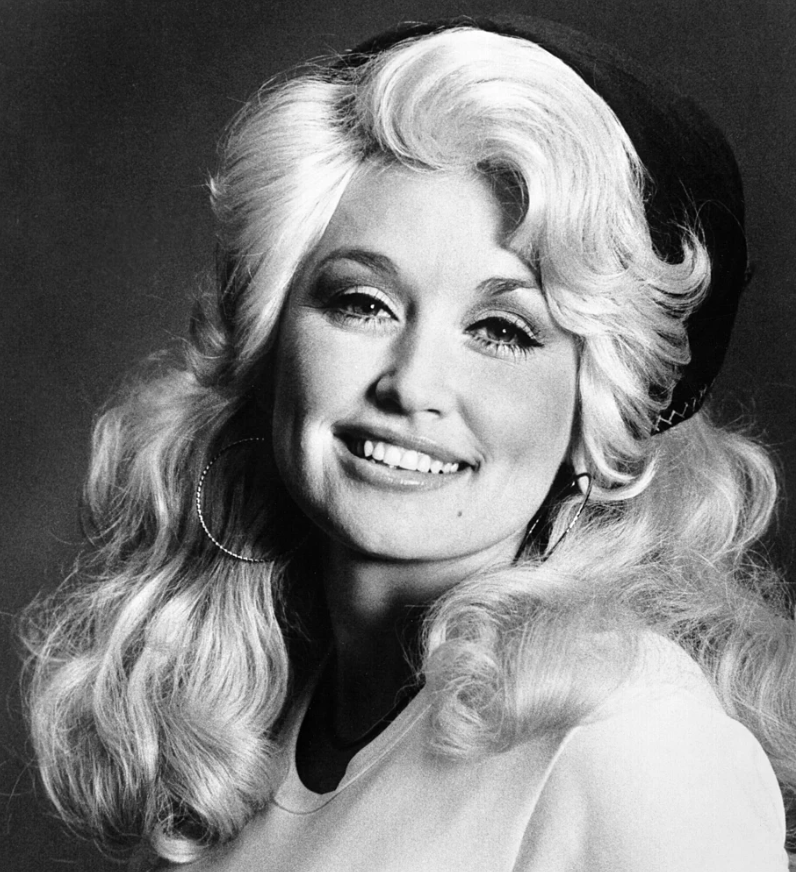
Dolly in 1970 RCA Publicity Photo
She was unquestionably a beautiful person.
Yet, examining our cultural obsession with fighting the image we see in the mirror offers a poignant lesson on the limits of cosmetic intervention and what it truly means to live beautifully well into our later decades.
The Objective Data: 3 to 4 Years vs. Potential Distortion
The choice, often posed by the spectrum of businesses promoting cosmetic interventions, is “let yourself go” versus using “anti-aging” to “roll back decades”. Binaries, in the extreme, are rarely true.
Rigorous independent data challenges our ability to achieve some of the marketing promises of makeup, fillers, and surgery. Note that this discussion excludes reconstructive surgery, which often seeks to restore patients to a baseline of symmetry.
In a landmark blinded study published in JAMA Facial Plastic Surgery, independent observers evaluated patients who underwent extensive facial rejuvenation procedures (including facelifts, brow lifts, and blepharoplasty):
Perceived Age Reduction: Surgery shaved off an average of only 3.1 years in perceived age—a negligible shift when patients were hoping to look ten or twenty years younger. Some patients did appear up to 9 years younger. Follow-up studies have pushed the average up; in some samples, to 4.6 years.
No Gain in Attractiveness: Crucially, the independent raters found no statistically significant improvement in overall attractiveness scores. So you might look a bit younger, but maybe no more attractive.
It is not all bad news.
Advances in technique: The field is ripe with innovation and improving outcomes.
Benefits to the patient: Patients often report feeling much better about themselves after cosmetic surgery, and this added confidence can be of significant psychological benefit, but with diminishing returns of additional ‘work’.
Why the benefits are limited as we age
While a scalpel can pull skin tighter, it cannot reverse the three-dimensional biological realities of aging—such as deep bone resorption, loss of facial fat compartments, and thinning skin texture. When superficial tissues are repeatedly stretched over a receding skeletal frame, the return on investment collapses.
Instead of looking genuinely young, the face undergoes an anatomical shift: midface flattening, altered tension vectors around the mouth and eyes, and restricted dynamic expression. The result is not always enhanced beauty, but an obvious, synthetic dissonance where facial harmony can be lost to distortion.
From the time we are babies, we have an innate ability to read the non-verbal cues in facial muscles. We use the fusiform face area of the brain (FFA) to read faces. We have evolved as facial experts.
Modifications, particularly as we age, risk confusing these signals, leading to an uncomfortable violation of what researchers call “The Uncanny Valley”. The brain responds to the visual cues of an altered face as if something seems biologically “off” triggering emotions similar to those of confusion, anxiety, revulsion, or illness detection. Surgeons make efforts to limit these problems, and the “best” plastic surgeons are probably rated that way by avoiding this pitfall.
The benefits of your naturally aging look
The naturally aging face is beautiful for several reasons:
Harmony: The fine lines around the eyes and forehead align directly with underlying facial expressions formed over decades. There is no synthetic stretching or displacement of skin tension.
Preserved Dynamic Expression: The muscles around the mouth and cheeks move freely without the stiffness, midface flattening, or "frozen" quality associated with surgical tightening or Botox injections.
Proportional Balance: The natural deflation of facial fat compartments occurs evenly alongside biological bone remodeling, preserving authentic anatomical proportions rather than creating localized puffiness from dermal fillers.
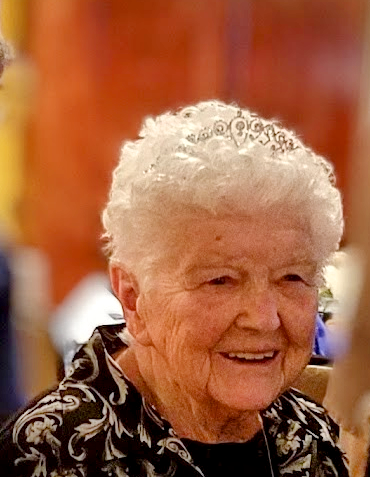
There is beauty in happiness, quiet dignity, and naturally aging
Why what was good for Dolly might not be good for you. Dolly and her fellow celebrities present a ‘character’ to the public.
A well-lit camera angle vs. daylight reality: We “consume” celebrity interactions through a curated lens of mostly two dimensions: studio lights, softboxes, professional makeup, focal-length compression, and digital grading. These tools intentionally blow out fine texture mismatches, soften surgical scars, and mask the unnatural tautness of pulled skin. A private individual lives in high-definition, three-dimensional reality under unsparing overhead fluorescent lights, direct sunlight, and shifting angles where volume distortion, stiffness, and skin tension cannot be hidden behind a lens or by an editor.
Proximity and Dynamic Micro-Expressions: A public figure is viewed primarily from a distance—on a stage, red carpet, or television screen—where broad aesthetic contours matter more than subtle kinetic movement. In private life, our relationships operate at an intimate conversational distance of two to three feet. At this range, people instinctively track subtle micro-expressions, dynamic smile lines, and natural muscle movement. When surgical tightening or heavy fillers freeze these mechanics, friends, family, and colleagues immediately register the uncanny stiffness, even if the silhouette looks smooth from twenty feet away.
The Theatrical Persona vs. Organic Everyday Presence: For Dolly, her stylized appearance was part of her professional brand. She loved that her nips and tucks, costumes, and wigs made her feel pretty and boosted her confidence in public. We readily accepted that larger-than-life artificial persona as entertainment, and Dolly was comfortable with herself.
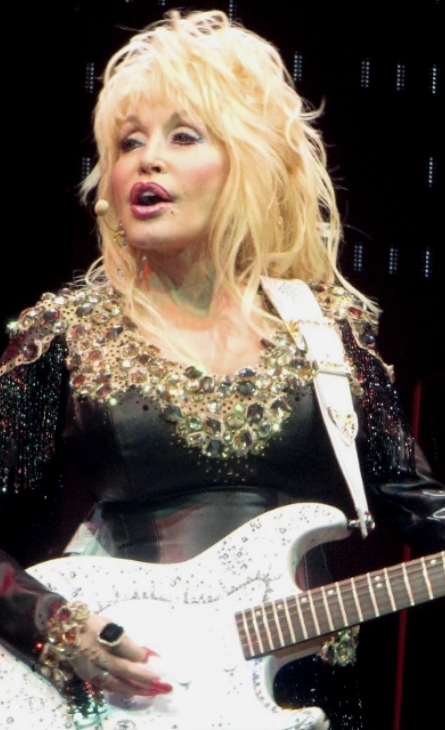
Dolly at 68 in 2014 in full bling, Joseph Just Wikipedia Commons
In contrast, an ordinary individual operates most of the time at very close range, where authentic presence, emotional transparency, and relatable aging are valued more. This fosters genuine human connections, which are a huge part of happiness. Even Dolly took her wig off at home, pulled her hair into a scrunchie, and took off her “armor”.
What about the body?
We are less attuned to bodies than faces, so instead of judging in milliseconds, we react over a longer period of time to altered body anatomy. Clothes also obfuscate. But extreme body altering (too big a butt lift, large pectoral implants, and silicone that doesn't settle in the right position) all signal to our brains as unnatural. Smaller alterations are much harder to detect and seem to have the biggest return on investment. Physically fit people are generally viewed as more attractive. Many other health benefits are associated with early and consistent respect for your fitness that will pay dividends into later life.
Which gets us to happiness
The great paradox revealed in my book, The Rule of 70 is that people over 70 routinely report higher levels of happiness, contentment, and life satisfaction than they felt in their twenties and thirties. Right at the same time, their faces and most body parts age in undeniable ways, regardless of surgical interventions.
Don't squander your good years and vitality fighting an unwinnable war against the clock and mirror.
Dolly Parton’s true, incandescent beauty was never captured by a filler needle, a tightening smile, or soft lighting. It radiated through her songwriting, her southern charm, self-effacing humor, her extraordinary philanthropy, and her ability to bring warmth into every room. She noted, “If you see someone without a smile, give them yours.”
The tragedy of Anti-aging culture is the false promise that altering your face can turn back time, or beat the undefeated Mother Nature. In reality, you can lean into natural aging. A good surgeon or makeup artist can fix around the margins. The real beauty of your later decades comes from living them with intention, grace, and purpose.