
On August 4, 1933, The Spring Lake Gazette reported Hollywood’s ultimate power couple, MGM producer Irving Thalberg and his wife, the glamorous Academy Award–winning actress Norma Shearer, checked into the Essex & Sussex Hotel on August 1. With their three-year-old son, Irving Jr., and household staff, they sought a week of rest and quiet at Spring Lake’s premier oceanfront hotel after their long ocean voyage.
The Thalbergs had just returned from six months in Europe. Irving had been placed on mandatory rest following a near-fatal heart attack. The extended stay at Germany’s Bad Nauheim mineral baths had been ordered by his physicians. His color had returned. He put on weight, and he appeared refreshed and ready to return to MGM, where he had reigned as the studio's "Boy Wonder."
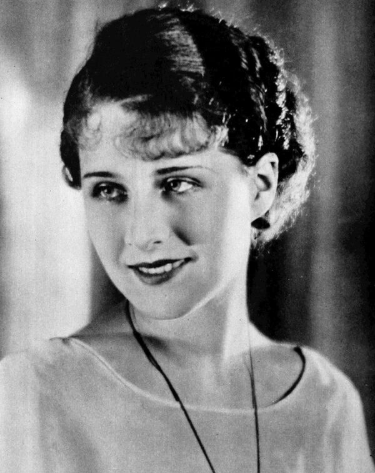
Canadian born Leading Lady Norma Shearer Thalberg (public domain)
The Great Depression at Spring Lake
Across the nation, the mood was pensively optimistic. The Great Depression, grinding into its fourth year, was exacting a heavy toll. A quarter of the American workforce was jobless, breadlines were long, and over 4,000 banks had collapsed, taking life savings with them. The national financial system had teetered on the brink as the new Roosevelt Administration took office.
Franklin D. Roosevelt had campaigned on the promise that "Happy Days Are Here Again." In a summer 1932 campaign address at Sea Girt before a crowd of 100,000, he pledged the repeal of Prohibition—a platform warmly welcomed by Shore resort businesses eager for the return of legal drinking and the end of rum runners. Once inaugurated, FDR’s fireside radio addresses calmed the country, and his four-day bank holiday checked the immediate panic, though economic hardship would persist for years to come.
Spring Lake served as a tranquil sanctuary from the crisis. While working families along the coast struggled, seasonal guests largely maintained their summer traditions. Affluent families from New York and Philadelphia filled the verandas of the Monmouth, the Warren, the Breakers, and the Essex & Sussex, whispering discreetly about acquaintances whose ruined fortunes kept them from returning.
The Thalbergs normally would not have been welcomed at the E&S. Their fame far outweighed the fact that the hotel, and most of Spring Lake’s other venues at the time, did not readily welcome Jews. The restriction was only subtly discussed, such as “We do not accommodate dietary restrictions”, or a sudden lack of available rooms when someone revealed their last name. The returning guests were favored, and others were “properly screened”.
By this time, the clientele were primarily Irish Catholics and a contingent of original Presbyterian families. Italians, Greeks, African Americans, and Asians were also not readily welcomed. But millionaire status and national fame trumped almost everything else.
That same week at the Bath and Tennis Club, Dr. John Whyte, pastor of Philadelphia's First Presbyterian Church and Spring Lake's summer minister, preached to a packed ballroom on the history and hazards of snobbery, urging people to avoid the urge to look down upon the less fortunate.

The B&T in the 1930s Spring Lake (SLHS collection)
At the start of the Depression, movies were a cheap escape from bad news. As the economic woes stretched into a fourth year, even Hollywood was feeling the strain. Studio balance sheets were hemorrhaging, and even profitable MGM had cut salaries and budgets. It was a far cry from the heady start of Irving Thalberg.
The Rise of Boy Wonder
Thalberg had risen rapidly through the film business, starting as secretary to Universal Pictures founder Carl Laemmle at age 19 as World War I was ending. The industry was steadily moving from New York to year-round shooting weather in California, and Laemmle sent Irving west to take charge of the new Universal City at age 21. His salary went from $25 per week to $60.
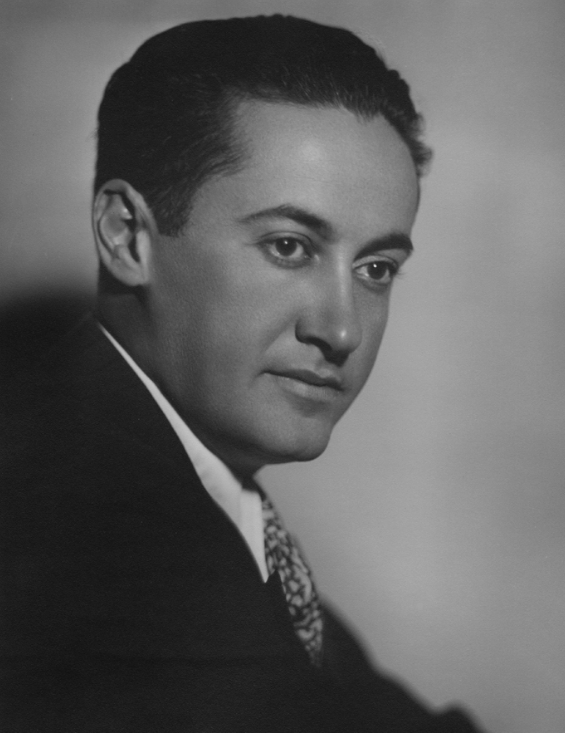
The boyish studio boss in the late 1920s (public domain)
When he turned 25, Irving was one of the highest-paid men in the industry at $450 per week. Still, Thalberg was frustrated with a lack of ownership at Universal. In 1924, he allied with Louis B. Mayer, who was merging his studio with theater owner Marcus Loew to form Metro-Goldwyn-Mayer. Thalberg secured a minority stake in the company and a profit-sharing contract, which soon put him in the stratosphere of Hollywood.
As production head, Thalberg ran the lot with industrial precision, reusing sets, props, and costumes. He closely monitored takes and optimized reshoots to save money. He bought scripts, hired and fired directors, and led the use of sneak previews to sell the studio’s movies. As silent films gave way to talkies, he debated dialogue, camera angles, and edits, and tended to favor compliant directors. Thalberg established the standard for the modern producer system. The studio dominated the industry.
Up to the early 1930s, MGM flourished with adult, emotionally candid dramas featuring self-assured leading women, who openly expressed their sensuality.
In 1927, Thalberg married actress Norma Shearer, cementing their place atop the industry. When Shearer starred in The Divorcee (1930), playing a woman who unapologetically demanded equal moral standards after her husband's infidelity, she earned the Academy Award for Best Actress. Competing stars like Joan Crawford and Greta Garbo routinely lost roles to the "First Lady of MGM." Crawford complained, “How do I stand a chance when she’s sleeping with the boss?”
The couple were worth between $5 and $10 million and built a massive beachfront compound in Santa Monica.
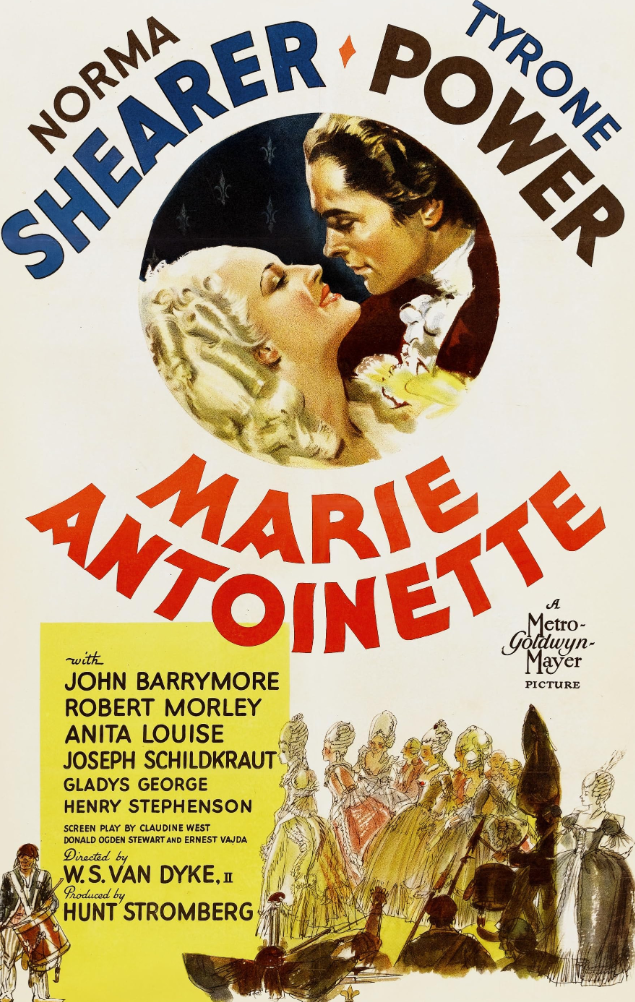
Irving secured the rights to Marie Antoinette while in Europe. It wasn’t completed until 1938
Thalberg drove himself relentlessly. He was born with “blue baby syndrome,” a congenital heart defect. When he survived rheumatic fever at 17, doctors had warned he might not live past age thirty. He worked as if racing against time, successfully navigating over a dozen productions simultaneously while frequently clashing with Mayer over his share of the executive compensation and studio direction. At times, Thalberg’s compensation formula had him earning more than Mayer.
He kept the studio profitable after the stock market crashed in 1929. As more households suffered, he implemented double features and bargain matinees. But eventually he had to cut ticket prices and slash salaries.
On top of the economic problems, a movement began to censor the studios. The PCA drafted the “Hays Code” in 1930, and studios initially ignored it. The Catholic Legion of Decency began lobbying theater owners to enforce the code. They wanted to end movies glorifying crime, like Edward G. Robinson in Little Caesar and Jimmy Cagney in The Public Enemy. Sexualized content was also on their radar. Among the criticized films, Norma’s own The Divorcee was targeted for showing a woman’s adultery without consequences, and Marlene Dietrich starred in Morocco, which showed cross-dressing and a same-sex kiss.
The censorship guidelines restricted the length of kisses, required separate beds, and outlawed touchy subjects like abortion, interracial relationships, and venereal disease. Bad guys needed to pay, and women needed to strive to be nurturing moms. They signed up many small-town theaters to ban movies without their seal of approval. MGM held out. The company owned high-capacity big-city theaters through Loews.
Thalberg hoped a shift to historical epics and screwball comedy would blunt the censors. Catholic parishioners were asked to pledge they would avoid ‘Condemned’ movies. Thalberg knew Mayer would eventually have to capitulate to the restrictive code, which he did in 1934.
Before the code took full effect, the physical toll caught up with Irving, and he suffered a massive heart attack at a Christmas party in 1932.
Welcome Home
While the family rested at the Essex & Sussex, Mayer set out to minimize his risk by limiting the power of his returning head of production. When the Thalbergs stepped off the train in California to flashing cameras and a public welcome, the reality behind the scenes was stark: Mayer had decentralized studio production, brought in his son-in-law David O. Selznick, hired other independent unit heads, and relegated Thalberg to running merely one unit among several. It was, after all, “For his health.”
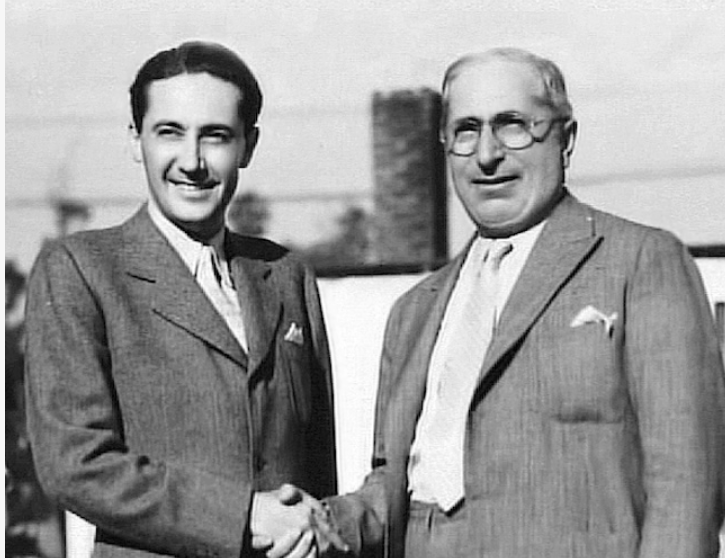
The hugs and handshakes were for the cameras (Los Angeles Library Collection)
Thalberg treated the demotion as a challenge. Determined to out-produce the rest of the lot, he dove back into grueling 18-hour workdays, marshaling high-culture literary and historical epics like Marie Antoinette, The Barretts of Wimpole Street, and Romeo and Juliet, all starring Norma. The couple had a daughter, Katherine, in 1935.
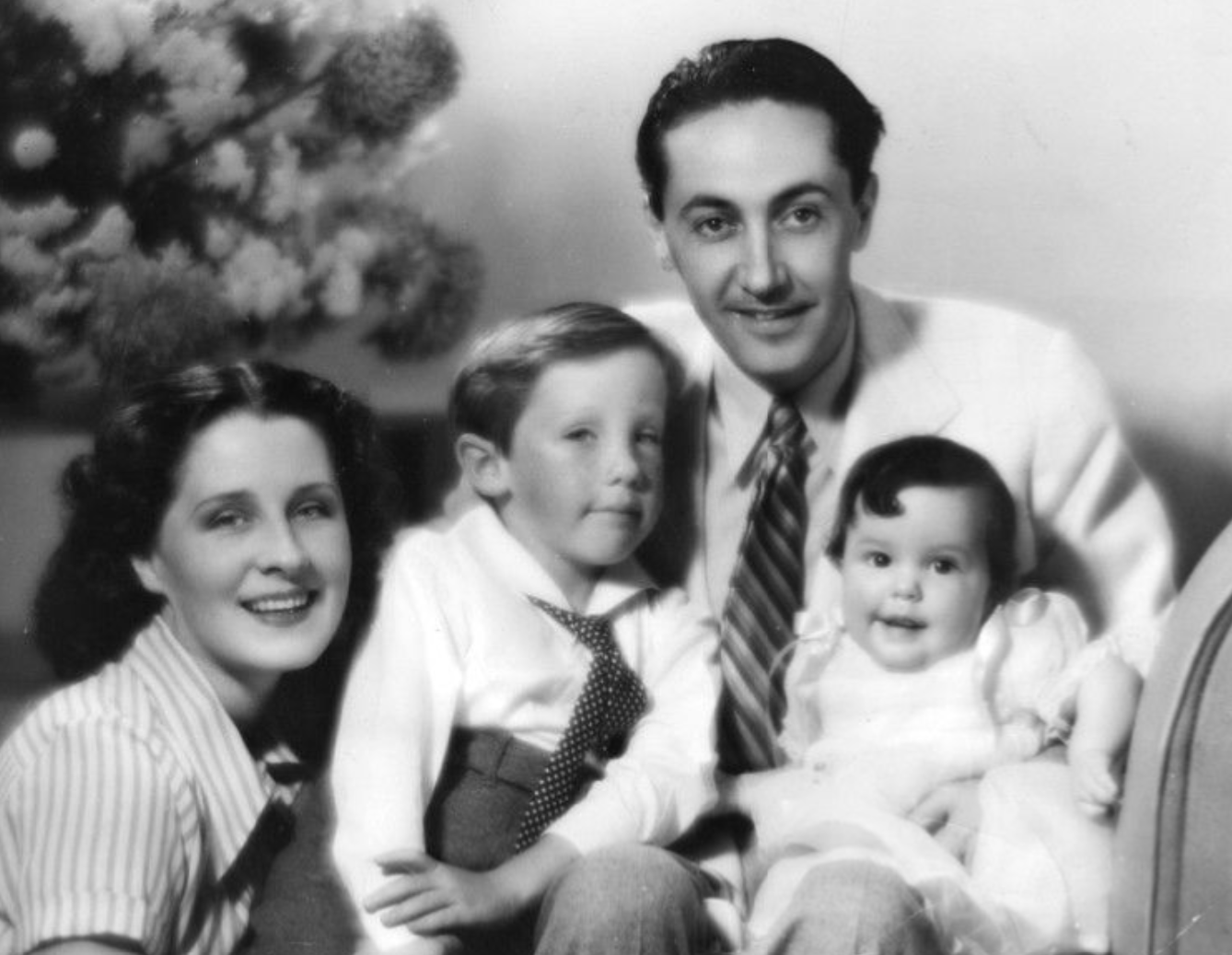
Family photo (Los Angeles Library Collection)
Irving never slowed down. The pace proved unsustainable. In September 1936, while quietly orchestrating plans to leave MGM and establish his own independent production outfit, Thalberg contracted a cold that slid into pneumonia, and he died at age 37, leaving Shearer and the two young children.
Norma continued acting. She received her fifth and sixth nominations for Best Actress after Irving’s death, and she retired in 1942, after refusing several older roles. Her MGM stock also made acting unnecessary. She died at 80 in 1983.
Irving Jr., educated in Switzerland and then Stanford, would go on to become a respected professor of philosophy, ethics, and action theory at the University of Illinois at Chicago. He had two marriages and three daughters, and retired in Aspen before passing in 1987.
Katherine married three times, the longest to actor Richard Anderson (who acted in The Six Million Dollar Man), with whom she had three children. She then moved to Aspen, where she ran a renowned bookstore and vegan restaurant alongside her third husband, Aspen mayor Bill Stirling. She died in 2006.
The Irving G. Thalberg Memorial Award is a special award by the Academy of Motion Picture Arts and Sciences to "creative producers whose bodies of work reflect a consistently high quality of motion picture production". Cecil B. deMille, Darryl F. Zanuck, Walt Disney, Ingmar Bergman, Mervyn LeRoy, Steven Spielberg, and Billy Wilder are some of the winners.