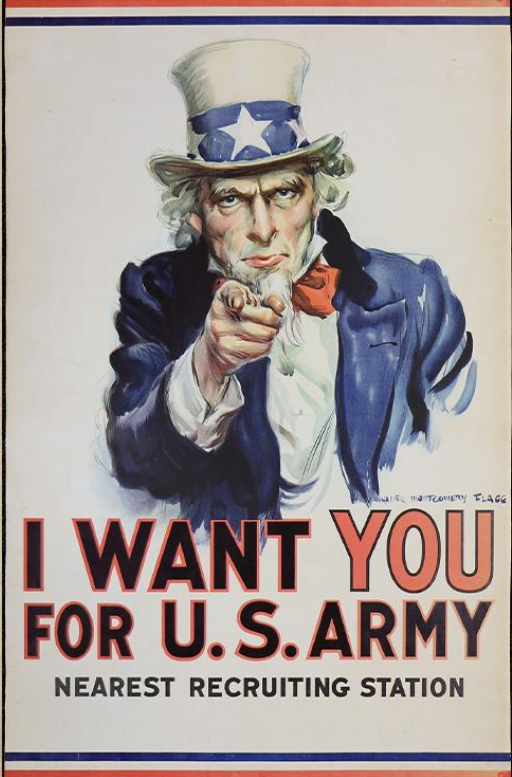
In 1943, Sea Girt almost got a prison. The Japanese bombing of Pearl Harbor in 1941 drew America into World War II; Germany immediately declared war against the US and President Roosevelt called for the country to join the fight for the cause. Little Sea Girt, population 600, jumped in to do their part. Every man 18-64 had to register for the draft, including Mayor Doyle. (1941 Draft Cards)

Everyone had a job to do during the war.
The women met to sew thousands of bandages. Over 20,000 Monmouth County residents between ages 18-42 served; about sixty percent were drafted. Active-duty U.S. armed forces swelled to over 9.1 million, and 350,000 women volunteered. 644 county residents made the ultimate sacrifice, including three from Sea Girt.
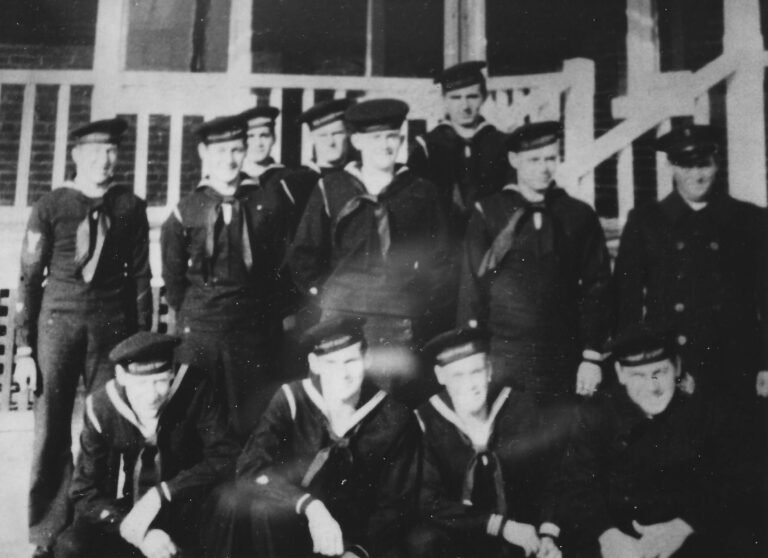
Image of the 15 Coasties who commandeered the Lighthouse during the war (seagirtlighthouse.com)
Boots on the Ground
The Federal Government took space everywhere. The Tremont Hotel was contracted by the Coast Guard. They had previously taken over the Sea Girt Lighthouse, but needed more men to patrol the coast. The Standard Oil tanker R.P. Resor was torpedoed by a German sub. 48 merchant sailors died, and two survivors were pulled from the water in Spring Lake.
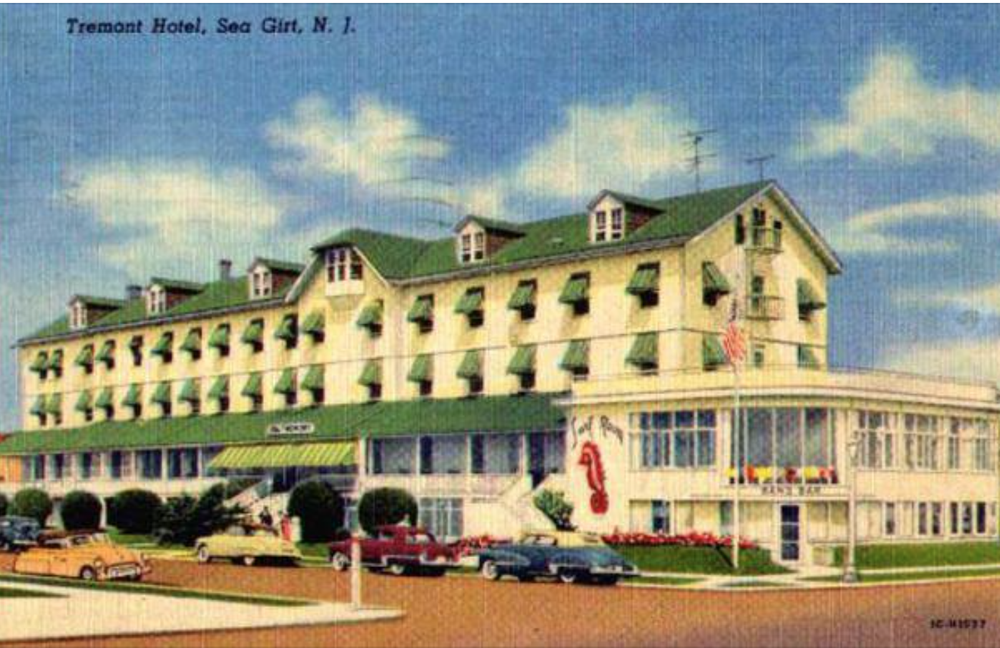
The Tremont on the post war years
The Signal Corps had taken over both the National Guard Camp at Sea Girt and the Sea Girt Inn. Boy Scouts went house to house, ensuring that blackout drapes were pulled tight, to give no locational clues to patrolling subs.
Need for Cells
Leavenworth, Kansas, the primary military prison in the country, was at capacity. But as the Americans saw action, the number of offenders shot up. We celebrate the bravery of our veterans. But forcing millions to uproot their lives to potentially sacrifice themselves resulted in some who could not comply.
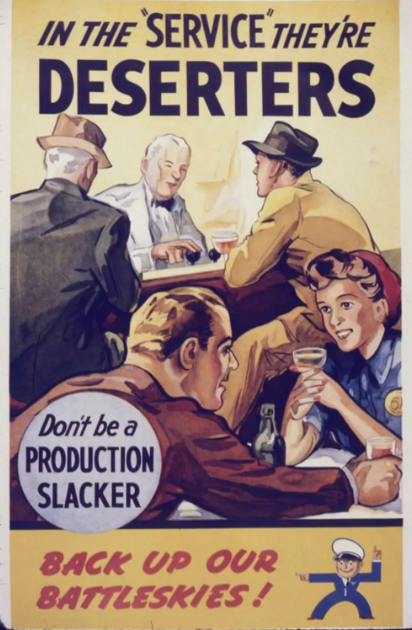
Even those outside the military were warned not to be a deserter (Library of Congress)
Thousands evaded the draft, some for conscientious and religious reasons, others ignored the call. Many were simply impressed into service after they were tracked down. Many objectors were given non-combat jobs, and the true dodgers were handed over to be placed in civilian prisons.
After a soldier was sworn in, military justice took over. 50,000 men deserted during the war, mostly in Europe and Africa. Battle often separated men from their units, and soldiers were considered AWOL for up to 30 days. Longer absences subjected men to prison for desertion if it was determined that they intended to leave their unit permanently.
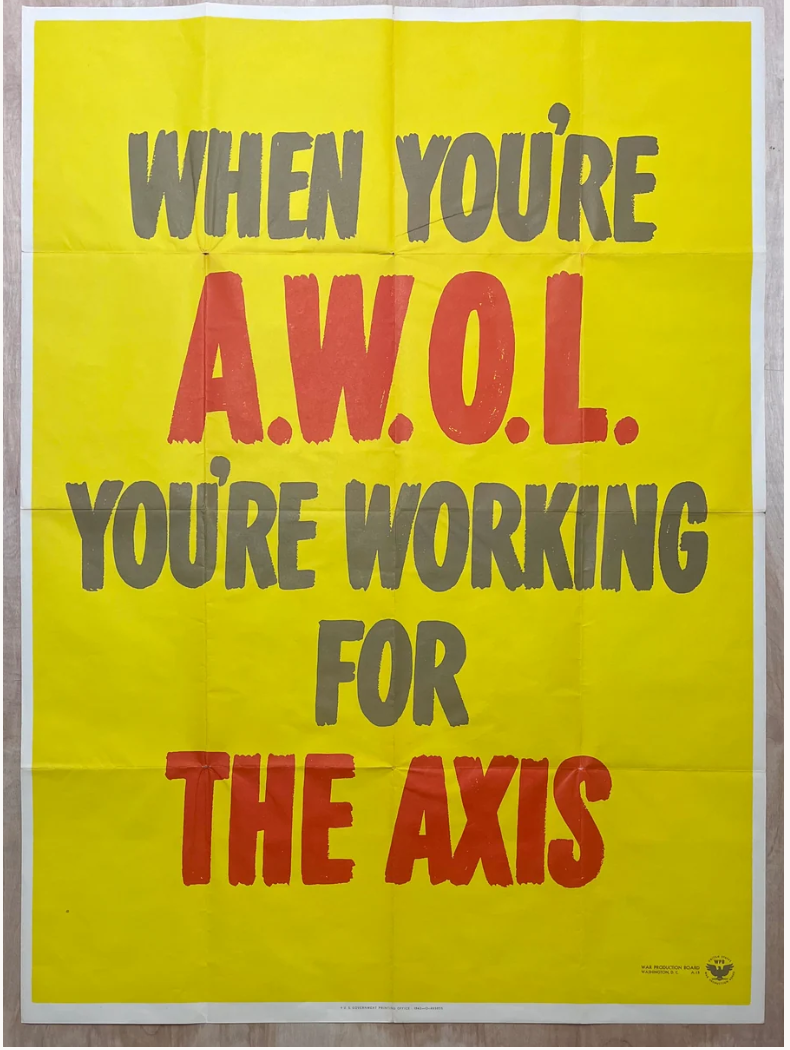
Absent without leave was a serious offense (poster from the War Production Board)
The US Army’s penalty for desertion included death. Of the 10,000 men convicted of desertion during the war, only one man, Eddie Slovik, of Detroit, actually faced the firing squad for his actions. Fearing the front, and thinking he would just spend the war in jail, Slovik was made an example to let millions of soldiers know the potential cost of desertion.
Stateside, the War Department needed more stockades, disciplinary barracks, or rehabilitation centers for military offenders. In the Spring of 1943, the Sea Girt Camp was considered large enough to imprison thousands. They could move the Signal Corps training to Long Island.
A Resounding NO
The residents of Sea Girt, who had gladly handed over their hotels, lighthouse, and beachfront to patrol and train Signal Corpsmen, thought the prospect of turning the town's centerpiece military camp into a federal lockup for deserters and military prisoners went too far. Local mayors were called upon to join Mayor Doyle and the Borough Council in protest.
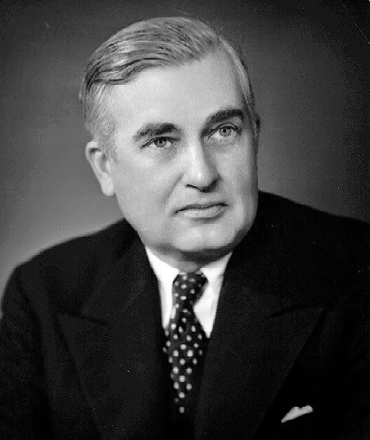
Governor Charles Edison (Official State Photo)
The Camp and shooting range had long been used as a backdrop for politicians, with speeches and rallies for presidents Teddy Roosevelt, Woodrow Wilson, and FDR himself. Most did not want a prison in the neighborhood and insisted the Governor’s summer home should not be in a prison yard.
The rumor quickly reached Trenton, and Governor Charles Edison, the son of inventor Thomas Edison, who was a former Secretary of the Navy. He used his pull and swiftly blocked the move.
The Guard camp, originally part of the Sea Girt Land Improvement Company land, was leased to the state in 1885, and a deed was secured by New Jersey in 1900. Because the Camp was leased to Washington strictly for wartime training, Edison leaned in. He put the War Department on notice: if the Army attempted to repurpose the Sea Girt reservation into a military prison, the state would give his one month's notice and take the property back.
It’s not clear if the state would have prevailed, but the War Department needed space, not a legal battle, and they quickly settled on a substitute in New York. Green Haven in Dutchess County held between 2,000 and 3,000 court-martialed soldiers, mostly deserters, from 1943 to 1947. After the war, Green Haven was converted to a maximum-security prison.
Post War
The Guard Camp reverted to the State in 1945. The Tremont enjoyed another era as a hotel and restaurant under big band leader Gus Steck, and the Sea Girt Inn returned to entertainment. The Lighthouse was decommissioned, eventually sold to the town, and then leased to the Sea Girt Lighthouse Citizens Committee, who preserved and still maintain the historic 1896 structure.
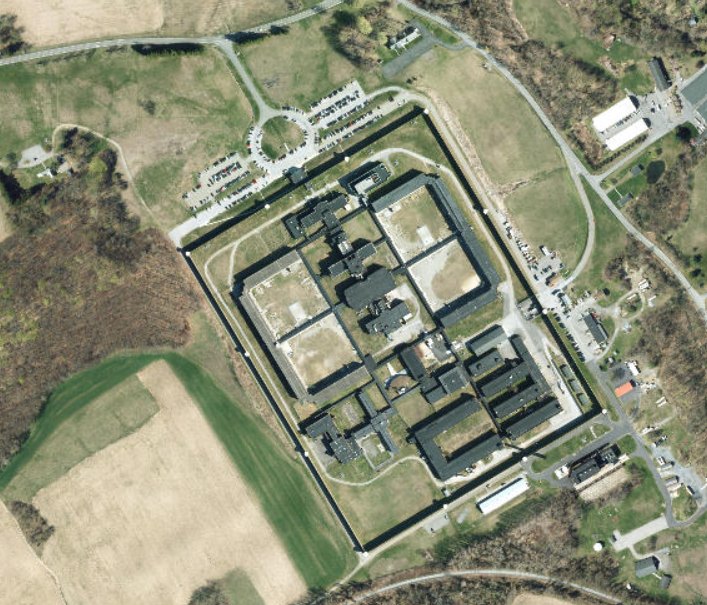
Green Haven remains a maximum security prison in Hudson Valley NY. (Earth Explorer Image)